
FAQ
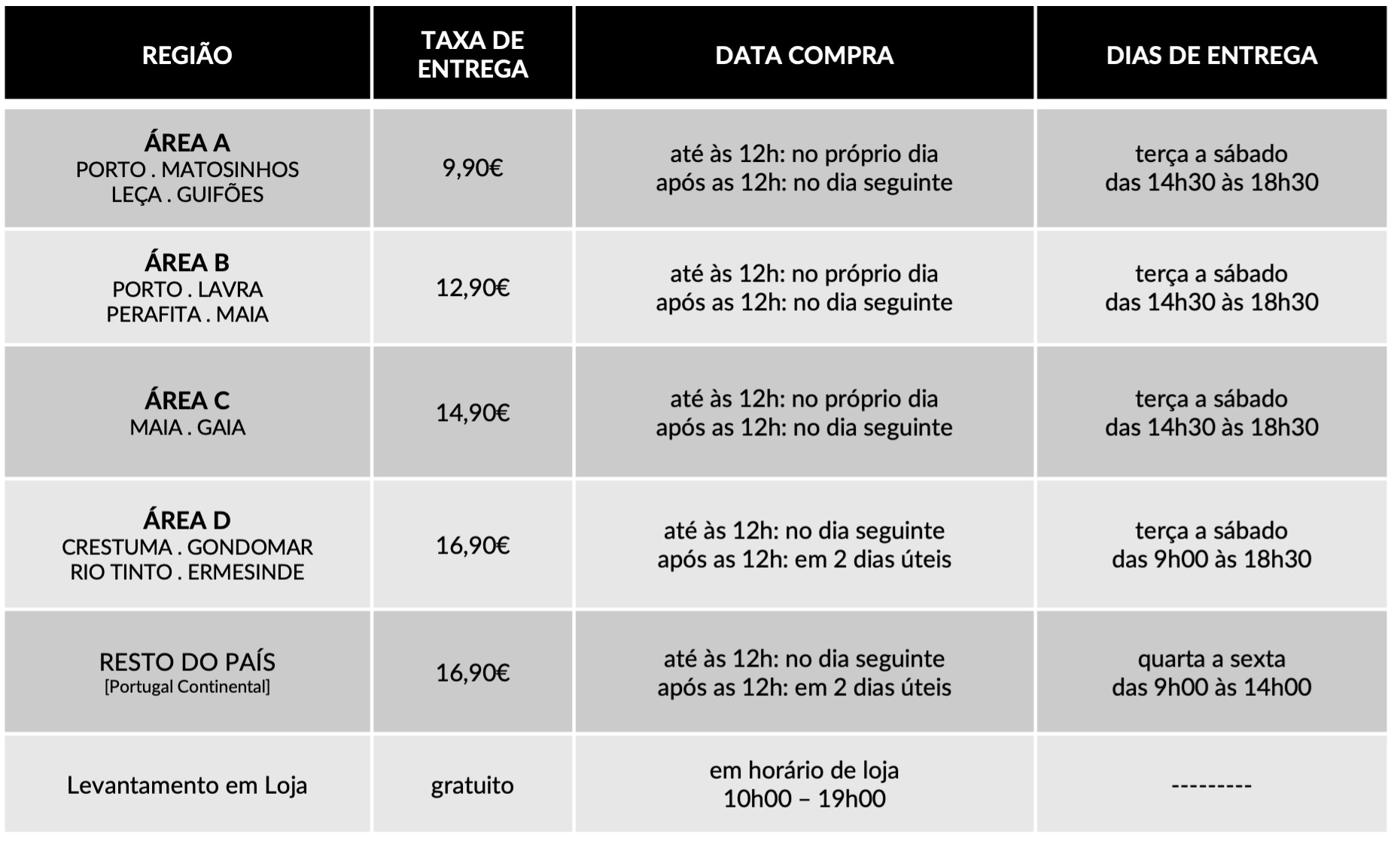
Dedicamos toda a atenção na manutenção e preservação das nossas Flores, garantindo que cheguem ao nosso cliente com toda a frescura, qualidade e beleza. Disponibilizamos várias soluções de manutenção e embalamentos adequando sempre a cada necessidade e contexto da entrega.
Pode incluir na sua oferta uma mensagem personalizada que irá ser reproduzida por nós. No processo da compra online basta preencher o campo ”dedicatória” e escrever a mensagem pretendida.
Valorizamos e priorizamos a qualidade dos serviços e dos nossos produtos. Todas as flores disponibilizadas nos ramos e arranjos disponíveis na loja online são frescas e estão em condições de servir o destinatário.
Caso haja alguma insatisfação por parte do cliente, recomendamos que utilize os nossos canais de comunicação para que possamos analisar a questão.
As fotografias são ilustrativas, quer isto dizer que não garantimos a 100% a sua fieldade com a realidade.
As fotografias devem ser interpretadas como uma base de modelo ou de estética onde as alterações estão sujeitas ao stock da flor e ao trabalho humano de cada florista. Note-se que algumas flores são sazonais e não estão disponíveis todo o ano. Como tal, serão necessárias fazer adaptações consoante a época e o stock da flor.
Para casos onde as alterações sejam extremamente notórias, contactaremos o cliente para ajustar a melhor solução.
Não cancelamos nem alteramos encomendas se esta já se encontrar em fase de curso, ou seja, se já tiver saído da loja e em fase de transporte.
Se a encomenda se encontrar no estado inicial, de processo, é possível alterar e cancelar a encomenda e reaver o seu dinheiro.
Caso não havendo outra referência dada pelo utilizador (por exemplo: deixar no porteiro, na loja x, à pessoa y) o utilizador será contactado de imediato para ficar ao corrente da situação e, à falta de alternativas, a encomenda voltará para a Terrárea, Caso seja reagendada uma nova entrega será cobrada novamente taxa de entrega.
Sublinhamos a importância dos dados fornecidos pelo utilizador estarem correctos e claros. Há sempre a possibilidade do utilizador acrescentar um ponto de referência e outras informações para que não hajam quaisquer dúvidas no acto da entrega garantindo, assim, a qualidade do serviço.
Lamentamos mas não podemos facultar essa informação, se o cliente que realizou a encomenda não pretender.
Estamos abertos a alterações embora estas estejam sempre condicionadas pelo tipo de pedido do utilizador, stock em loja e conceito estético. Nestes casos sugerimos o contacto telefónico ou por email.
Queremos satisfazer todos os nossos clientes e oferecer o nosso melhor serviço. Agradecemos, por isso, todas as opiniões e sugestões para podermos encontrar soluções às suas necessidades! Contacte-nos a partir dos seguintes meios: via email info@terrarea.pt ou telefone 223 170 414

How to Manage Validators and Maximize Staking Rewards on Solana — A Practical Guide for Browser Users
Whoa. You click “stake” and expect passive income. Simple, right? Not quite. Staking on Solana feels straightforward at first glance, but the decisions you make about which validators to trust, how to split your stake, and how to claim or compound rewards will determine whether you’re nudging your yield up a little or leaving money on the table. I’ve been through the mess of fiddly UI, surprise commission hikes, and a few tense redelegations. My instinct said “just pick a big name”—and then reality bit: network dynamics, validator behavior, and wallet UX matter more than brand alone.
Let me be honest: some parts of validator management are boring and technical. They matter though. This piece walks through what actually affects rewards, practical checks you can do in your browser before delegating, and easy routines to keep your staking healthy. Expect tips you can use right now and a few warnings that folks ignore until it’s too late.
Short version: choose reliable validators, spread risk, watch commission jumps, and automate what you can. Okay, now the meat.
Why validator choice matters more than you think (and how rewards actually accrue)
Validators earn rewards by voting on blocks and participating in consensus. Your stake is an endorsement that increases a validator’s weight; in return you get a share of the inflation rewards after the validator takes a commission. Sounds fair. But the effective yield you see depends on multiple moving parts: the validator’s commission rate, uptime and performance (missed votes reduce rewards), how concentrated stake is across the network, and the timing of stake activation.
Here’s the tricky part: validator performance fluctuates. A validator that looks great today can suffer hardware or network problems tomorrow. Commission changes are also real—some validators have raised fees right after attracting big delegations. That matters because a 1% or 2% commission swing compounds over months.
So what should you check before delegating? Quick checklist:
Split your stake. Seriously. Don’t put everything on one validator—spread risk across 3–5 validators. If one goes down or misbehaves you still collect rewards elsewhere. It’s not glamorous, but it’s effective.
Using a browser wallet for staking: convenience vs. control
Browser wallets make staking accessible. They let you delegate without running a node. But convenience introduces new choices: stake account management, handling multiple delegations, and safely claiming rewards. Every action is a transaction on-chain, and each one costs SOL for fees, so batch smartly.
When you’re picking a wallet extension, prefer one with clear staking workflows, good UX for multiple stake accounts, and hardware-wallet support. If you want a browser-centric option I use and recommend, you can find it here. It’s integrated for delegations, shows validator details, and supports hardware wallets—handy for reducing key exposure.
A couple operational tips:
Reward math and practical compounding strategies
Inflation rates change with network parameters, but your effective yield equals gross inflation minus validator commission and performance penalties. Tiny differences add up. For example, choosing a validator with a 5% commission instead of a 3% one reduces your net yield noticeably over a year. Also, if a validator misses votes, those skipped rewards aren’t coming back.
Simple compounding approach:
Why not claim daily? Fees add up. Why not never? Small rewards sitting idle mean missed compound returns. It’s a balancing act that depends on SOL price and fee environment.
Validator management scenarios and what to do
Scenario: Your validator raises commission unexpectedly. My reaction was: ugh. What to do? First, assess why—were they transparent? If it’s temporary (to cover costs) and communicated, you might tolerate it. If it’s sudden and unexplained, split and redelegate over a few transactions so you don’t move everything at once and spike network churn.
Scenario: Validator shows poor performance. Hmm. Look at missed vote rate and stake-weight. If it’s persistent, plan an exit. Deactivate stake and schedule redelegations to other validators. Note: deactivation takes epochs, so plan timing if you want to move before major network events.
Scenario: You suspect a validator is malicious or at risk of slashing. Solana’s slashing for stake delegations is rare and typically tied to severe consensus faults—but it can happen. When in doubt, err on the side of decentralization: choose validators with transparent teams and good community reputation.
Security, privacy, and wallet hygiene
Okay, let’s be blunt. Extensions are convenient but they’re a target. A few practical habits I use:
One more thing—privacy. Delegations are visible on-chain. If you care about linking wallets and stake, use separate stake accounts or privacy strategies accordingly. I’m biased toward transparency, but your mileage may vary.
Common questions
How long until my delegated stake starts earning rewards?
It depends on epoch timing. Stakes activate across epochs so you might see partial activation initially and full activation after a couple of epochs. Check current epoch length in your explorer—activation timing follows that cadence.
Can my stake be slashed?
Slashing on Solana is uncommon and generally tied to severe validator misbehavior. The bigger risk for most delegators is missed rewards from poor performance or sudden commission hikes. Still, prefer reputable validators and spread your stake to reduce exposure.
Is it better to use a staking pool or delegate directly?
Staking pools simplify management and may offer automated compounding, but they add another layer of fees and counterparty risk. Direct delegation gives you more control and transparency, especially if you manage multiple validators via your browser wallet.