
FAQ
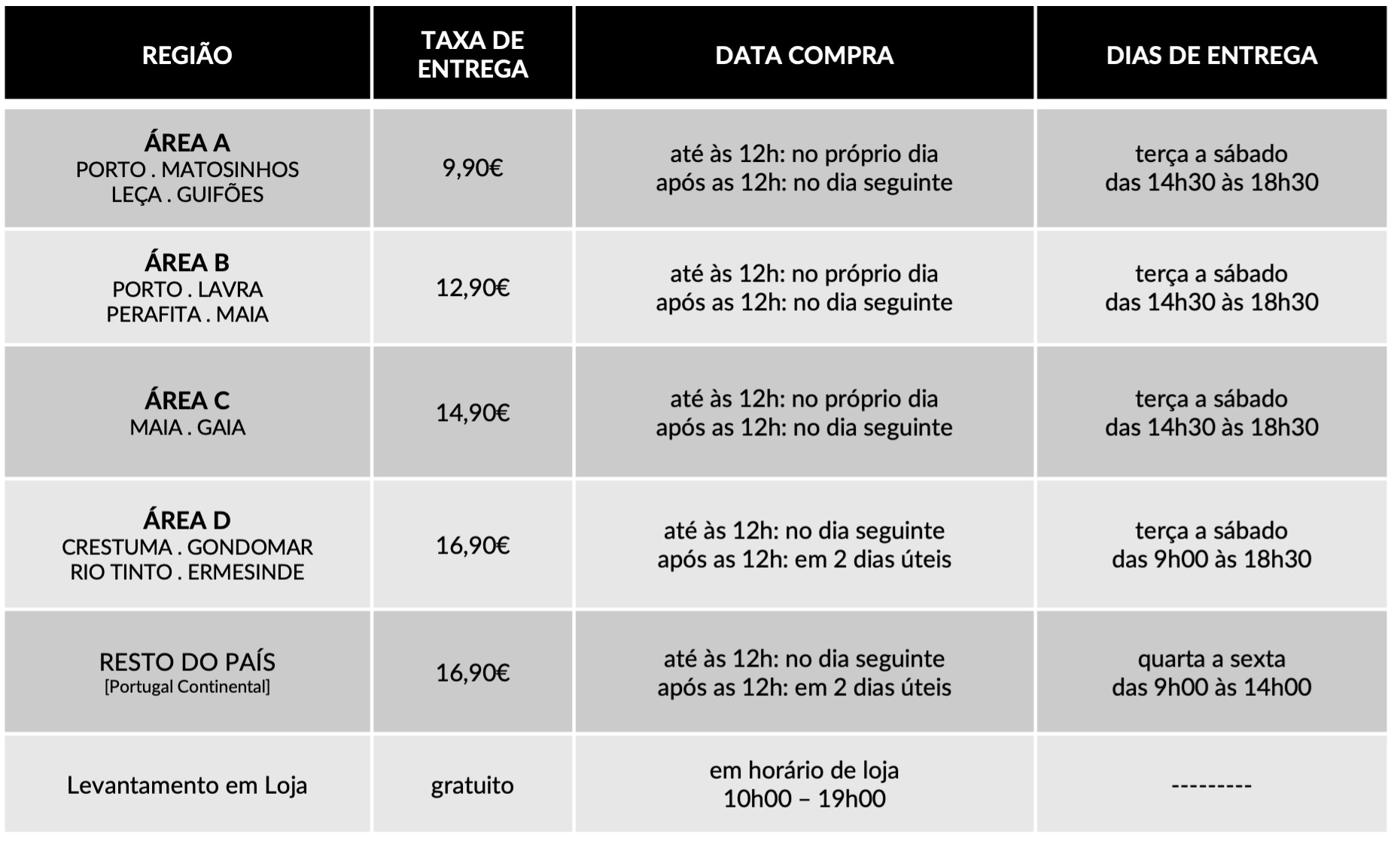
Dedicamos toda a atenção na manutenção e preservação das nossas Flores, garantindo que cheguem ao nosso cliente com toda a frescura, qualidade e beleza. Disponibilizamos várias soluções de manutenção e embalamentos adequando sempre a cada necessidade e contexto da entrega.
Pode incluir na sua oferta uma mensagem personalizada que irá ser reproduzida por nós. No processo da compra online basta preencher o campo ”dedicatória” e escrever a mensagem pretendida.
Valorizamos e priorizamos a qualidade dos serviços e dos nossos produtos. Todas as flores disponibilizadas nos ramos e arranjos disponíveis na loja online são frescas e estão em condições de servir o destinatário.
Caso haja alguma insatisfação por parte do cliente, recomendamos que utilize os nossos canais de comunicação para que possamos analisar a questão.
As fotografias são ilustrativas, quer isto dizer que não garantimos a 100% a sua fieldade com a realidade.
As fotografias devem ser interpretadas como uma base de modelo ou de estética onde as alterações estão sujeitas ao stock da flor e ao trabalho humano de cada florista. Note-se que algumas flores são sazonais e não estão disponíveis todo o ano. Como tal, serão necessárias fazer adaptações consoante a época e o stock da flor.
Para casos onde as alterações sejam extremamente notórias, contactaremos o cliente para ajustar a melhor solução.
Não cancelamos nem alteramos encomendas se esta já se encontrar em fase de curso, ou seja, se já tiver saído da loja e em fase de transporte.
Se a encomenda se encontrar no estado inicial, de processo, é possível alterar e cancelar a encomenda e reaver o seu dinheiro.
Caso não havendo outra referência dada pelo utilizador (por exemplo: deixar no porteiro, na loja x, à pessoa y) o utilizador será contactado de imediato para ficar ao corrente da situação e, à falta de alternativas, a encomenda voltará para a Terrárea, Caso seja reagendada uma nova entrega será cobrada novamente taxa de entrega.
Sublinhamos a importância dos dados fornecidos pelo utilizador estarem correctos e claros. Há sempre a possibilidade do utilizador acrescentar um ponto de referência e outras informações para que não hajam quaisquer dúvidas no acto da entrega garantindo, assim, a qualidade do serviço.
Lamentamos mas não podemos facultar essa informação, se o cliente que realizou a encomenda não pretender.
Estamos abertos a alterações embora estas estejam sempre condicionadas pelo tipo de pedido do utilizador, stock em loja e conceito estético. Nestes casos sugerimos o contacto telefónico ou por email.
Queremos satisfazer todos os nossos clientes e oferecer o nosso melhor serviço. Agradecemos, por isso, todas as opiniões e sugestões para podermos encontrar soluções às suas necessidades! Contacte-nos a partir dos seguintes meios: via email info@terrarea.pt ou telefone 223 170 414

How I Staked SOL, Collected NFTs, and Survived Solana DeFi (Practical Guide)
Whoa! I jumped into Solana last year because transactions felt fast and cheap, and honestly that hooked me. At first I liked the UX and the raw speed; it felt like switching from commuter train to a Tesla. My instinct said this would scale, but somethin’ about the network’s rapid growth also made me cautious. Initially I thought it was just a payments play, but then realized the DeFi and NFT layers were where the real creative risk-reward lived.
Really? Yes. I tried a handful of wallets before settling on one that matched my needs for staking and NFT custody. I wanted something simple for on-ramp, but also advanced enough for DeFi interactions without constant permission prompts. Actually, wait—let me rephrase that: I wanted a wallet that didn’t dumb things down so much that I lost control, and that also didn’t pretend every UX choice was clever when it was not. On one hand, ease-of-use matters; though actually, control and safety are more important when you stash non-trivial amounts of SOL or rare NFTs.
Whoa! I staked my first SOL using a validator run by an indie operator, and the rewards were visible within days. The process was straightforward: connect wallet, choose validator, delegate — done. But here’s the thing. It wasn’t entirely plug-and-play because I had to vet the validator’s uptime, fees, and community reputation, which took extra time. I’m biased, but I’d rather do that homework than blindly chase yield and lose very very important control over my keys.
Hmm… the NFT scene surprised me. I expected pixel art and hype cycles, though actually the composability layer blew my mind; people were building fractionalized ownership and rent-like mechanics around on-chain art. Some drops were wild wins, others fell flat — it was a market, not a lottery. My gut said diversify early, but practice taught me to size positions and plan exit paths before minting. (oh, and by the way… gas costs on Solana made experimenting way cheaper than on some other chains.)
Whoa! DeFi on Solana moves fast. Liquidity pools can double in TVL overnight, and protocols iterate weekly with new incentives. Initially I thought high APYs were pure marketing, but then realized that farming strategies often involve layered incentives and temporary boosts that smart users can capture if they act quickly. Beware though: rapid iteration means higher protocol risk, and sometimes audits lag behind feature releases, so do not assume “audited” equals safe. My approach became a simple triage: check audits, read governance threads, then test with small amounts.
Practical steps I use — and how https://phantomr.at/ fit into my flow
Okay, so check this out—my workflow is intentionally simple. I use a hardware-backed wallet for main holdings and a hot wallet for active DeFi moves, because moving between them is easier than risking cold-storage for every trade. Something felt off about keeping everything in one place early on; it made me nervous during market swings. On balance, splitting responsibilities (long-term staking vs short-lived farming) reduced stress and helped me sleep better at night.
Whoa! Step one: secure your seed phrase like it’s the last key to your apartment. Seriously? Yes. I write mine down in two separate locations, never store it digitally in plaintext, and I test my recovery once to ensure it works. Initially I thought a single paper backup was enough, but then realized moisture, moving, and plain forgetfulness could ruin that plan. So now I keep redundancy with caution, not carelessness.
Hmm… Step two: vet validators before staking. Check uptime, commission, and slashing history. Medium-sized validators often balance reliability and community alignment better than huge centralized ones. My rule of thumb: avoid top-heavy validators that might centralize consensus; reward independent operators who contribute to the network. Also, consider delegating across two validators instead of one to spread risk.
Whoa! Step three: approach NFTs like early-stage startups. Some teams ship utility and partnerships, others are pure art speculation. I test-ran a small position in three projects simultaneously to observe roadmaps and community engagement. Watching Discord and Twitter gave me signals faster than on-chain metrics sometimes; community health matters a lot. I’m not 100% sure which signals predict long-term value, but engagement and developer activity have been reliable so far.
Really? Step four: DeFi interactions deserve a sandbox approach. Use small amounts first. If you’re bridging assets, start with a tiny transfer to validate the route. On one hand, bridges and cross-chain tools increase composability; though actually they also introduce another layer of custodial or contract risk that can be hacked. So, diversify across protocols and keep liquidity in sleeved positions you can unwind if needed.
Whoa! Step five: monitor for rug pulls and rug repair. I follow devs, governance proposals, and tokenomics changes closely. Sometimes teams pivot and that changes value quickly, and sometimes the community proposes fixes that can restore trust. Initially I thought token locks meant safety, but then I learned to read vesting schedules and DAO power dynamics carefully. Funny thing — the most calming risk signal is an active, transparent governance forum; silence is a red flag.
Hmm… tools matter. Use explorers, analytics, and community trackers. Wallet notifications help, but they can also cause alert fatigue if you let them. I set alerts for validator performance, significant token movements, and rare NFT mints I follow. My instinct said that more data automatically helps — but that’s wrong; you need curated alerts, not an avalanche. So I prune notifications periodically.
Frequently asked questions
Is staking on Solana safe?
Short answer: reasonably, if you follow basic rules. Choose reputable validators, spread delegation, and understand you can unstake but the epoch timing can delay access to liquidity. I always recommend starting small and monitoring performance; over time you’ll calibrate what “safe enough” means to you.
Can I interact with NFTs and DeFi from the same wallet?
Yes, but I separate hot and cold roles in practice. Keep long-term holdings offline or in hardware-safe wallets, and use a lighter hot wallet for active trades and mints. That reduces blast radius from phishing or compromised browser extensions.