
FAQ
Dedicamos toda a atenção na manutenção e preservação das nossas Flores, garantindo que cheguem ao nosso cliente com toda a frescura, qualidade e beleza. Disponibilizamos várias soluções de manutenção e embalamentos adequando sempre a cada necessidade e contexto da entrega.
Pode incluir na sua oferta uma mensagem personalizada que irá ser reproduzida por nós. No processo da compra online basta preencher o campo ”dedicatória” e escrever a mensagem pretendida.
Valorizamos e priorizamos a qualidade dos serviços e dos nossos produtos. Todas as flores disponibilizadas nos ramos e arranjos disponíveis na loja online são frescas e estão em condições de servir o destinatário.
Caso haja alguma insatisfação por parte do cliente, recomendamos que utilize os nossos canais de comunicação para que possamos analisar a questão.
As fotografias são ilustrativas, quer isto dizer que não garantimos a 100% a sua fieldade com a realidade.
As fotografias devem ser interpretadas como uma base de modelo ou de estética onde as alterações estão sujeitas ao stock da flor e ao trabalho humano de cada florista. Note-se que algumas flores são sazonais e não estão disponíveis todo o ano. Como tal, serão necessárias fazer adaptações consoante a época e o stock da flor.
Para casos onde as alterações sejam extremamente notórias, contactaremos o cliente para ajustar a melhor solução.
Não cancelamos nem alteramos encomendas se esta já se encontrar em fase de curso, ou seja, se já tiver saído da loja e em fase de transporte.
Se a encomenda se encontrar no estado inicial, de processo, é possível alterar e cancelar a encomenda e reaver o seu dinheiro.
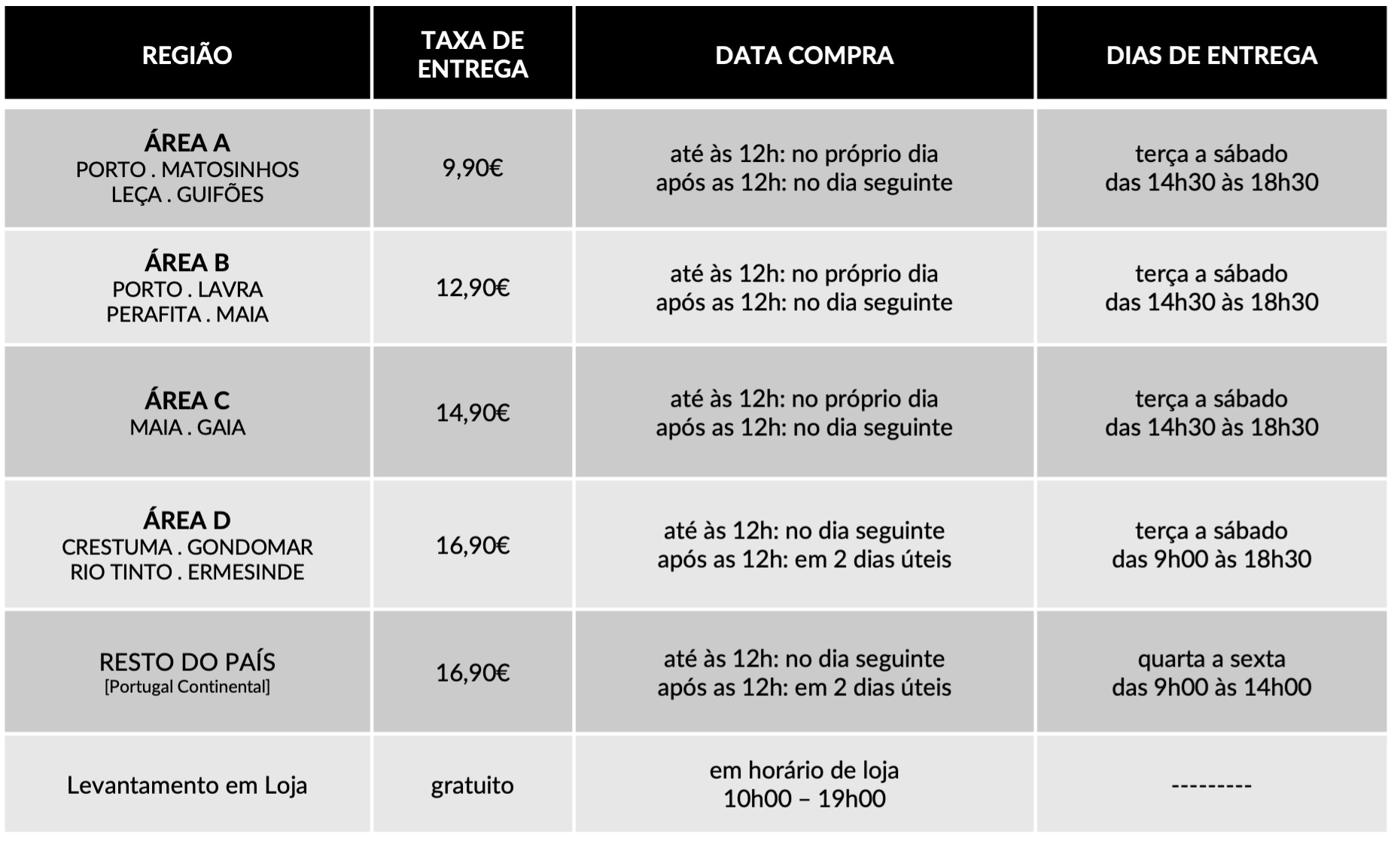
Caso não havendo outra referência dada pelo utilizador (por exemplo: deixar no porteiro, na loja x, à pessoa y) o utilizador será contactado de imediato para ficar ao corrente da situação e, à falta de alternativas, a encomenda voltará para a Terrárea, Caso seja reagendada uma nova entrega será cobrada novamente taxa de entrega.
Sublinhamos a importância dos dados fornecidos pelo utilizador estarem correctos e claros. Há sempre a possibilidade do utilizador acrescentar um ponto de referência e outras informações para que não hajam quaisquer dúvidas no acto da entrega garantindo, assim, a qualidade do serviço.
Lamentamos mas não podemos facultar essa informação, se o cliente que realizou a encomenda não pretender.
Estamos abertos a alterações embora estas estejam sempre condicionadas pelo tipo de pedido do utilizador, stock em loja e conceito estético. Nestes casos sugerimos o contacto telefónico ou por email.
Queremos satisfazer todos os nossos clientes e oferecer o nosso melhor serviço. Agradecemos, por isso, todas as opiniões e sugestões para podermos encontrar soluções às suas necessidades! Contacte-nos a partir dos seguintes meios: via email info@terrarea.pt ou telefone 223 170 414

Reading Between Blocks: A Practical Guide to ETH Transactions, Contract Verification, and NFT Exploration
Whoa! You ever stare at a transaction hash and feel like you just found a secret message? Yeah, me too. At first glance block data looks dense and a little cold. But dig a bit and it tells stories — of trades, minting frenzies, and sometimes sloppy code that should never have hit mainnet.
Here’s the thing. Ethereum transactions are not just numbers. They’re intent encoded. Short note: gas matters. Medium note: the input data often reveals function calls. Long thought: if you treat a tx hash like a trace log rather than a receipt, you’ll start to see patterns — approval loops, proxy upgrades, multi-call tactics, and the subtle clues that tell you whether an NFT drop was intentional or just messy marketing with on-chain consequences.
I’ll be honest — I’m biased toward tools that make this visible. Seriously? Use a good explorer. For a straightforward, reliable reference I check Etherscan and similar explorers; one resource I use often is here: https://sites.google.com/mywalletcryptous.com/etherscan-blockchain-explorer/ .
Quick primer: what you actually see in a tx
Hash. From and to. Value. Gas price and limit. Status. Input data which sometimes is just hex. Short stuff first. Then decode the hex. That’s the magic step.
If you’re tracking ERC-20 or NFT transfers, look for Transfer events in the logs — they’re the clear breadcrumbs. Also check internal transactions for token movement that isn’t visible at the top level. Initially I thought top-line fields were enough, but then realized the logs and event topics often hold the real narrative of what happened.
On one hand, a failed transaction can be a waste of gas. On the other, failed txs are a useful diagnostic: they show attempted contract logic that didn’t execute, and sometimes reveal parameters attackers used when probing a contract. On second thought — actually, wait — failed txs can be less interesting if the error is generic, but solid decoding tools help you parse revert reasons.
Smart contract verification: why it matters
Short answer: verified source = trust boost. Medium: when a contract is verified, the explorer shows the original Solidity source mapped to the deployed bytecode. Longer thought: that mapping is crucial for audits, for developers debugging interactions, and for everyday users who want to confirm that what a UI is calling is truly what it claims to be — not some obfuscated proxy with hidden admin privileges.
Hmm… my instinct said verification was mostly cosmetic, but digging into it I found it catches a lot of bad behavior. Something felt off about a few popular projects — the code claimed one thing but the verified bytecode told another story. So I started making contract verification my first check when evaluating a token or NFT contract.
Practical checks when you see a verified contract: scan for owner/admin functions, look for upgradeability patterns (delegatecall, proxy), and search the source for built-in minting or arbitrary transfer functions. If the contract is unverified, treat it as a red flag. I’m not 100% sure every unverified contract is malicious — somethin’ could be an honest oversight — but proceed cautiously.
NFT explorers and provenance
NFTs are trickier. The tokenURI could point to IPFS, to centralized storage, or to some off-chain API that can change. Short point: check tokenURI. Medium point: fetch metadata and verify that images, traits, and creators line up with the contract’s claimed behavior. Long thought: provenance for NFTs isn’t just ownership; it’s about content immutability and creator intent — if the metadata points to a mutable endpoint, the meaning of “unique” shifts overnight.
On many drops airdropped tokens hide in the contract history. Check mint events and who called them. Seriously? A collection can show 10k tokens, but most were minted by a privileged address. That bugs me. It’s a nuanced thing: sometimes projects reserve mints for giveaways, other times they reserve mint power for later exploitation.
Tools and tactics I use when investigating
Decode input data. Read logs. Compare bytecode to verified source. Scan for common pitfalls: reentrancy patterns, unchecked transfers, unprotected admin functions. Also: look for constructor parameters — they sometimes embed critical configuration like base URIs or privileged addresses.
Initially I relied on a single explorer. Then I realized cross-checking across tools reduces blind spots. On-chain data doesn’t lie, but explorer presentations sometimes omit details or hide internal txs behind toggles. So I habitually open the raw call traces. It’s slower, but it’s more accurate.
Pro tip: watch gas patterns. High gas with many internal calls often indicates complex logic like ERC-1155 batch operations or metatransactions. Low but frequent transfers might indicate bots or automated systems interacting with a contract. There’s a story behind each profile.
FAQ — common questions when checking contracts and NFTs
How do I verify a contract’s source?
Ask the explorer to verify the contract by providing the exact Solidity compiler version and settings (optimization on/off and runs), plus the flattened source. If the deployed bytecode matches the compiled source, the explorer marks it verified. If that sounds tedious — it is — but many projects publish verification details with their releases. If not, that’s another cautionary sign.
What does a “proxy” contract mean for me?
Proxy patterns allow the logic to be upgraded. That’s useful for bug fixes, though risky if admins are centralized. Check who can upgrade and whether there’s a time-delay or multisig on upgrades. On one hand it enables maintenance; on the other, bad actors with upgrade rights can replace logic entirely. Trade-offs, right?
Can I trust NFT metadata?
Depends. If metadata is on IPFS and content-hashed, it’s stable. If it’s behind a mutable HTTP endpoint, the metadata can change. Look for content-addressed URIs and verify file hashes where possible. Also, check marketplace caches and contract events for mint provenance — sometimes the metadata is correct but marketplaces display cached thumbnails that lag behind reality.
Okay, so check this out — a short checklist before interacting: verify the contract source; scan events for unexpected transfers; review constructor parameters if visible; and look for admin or owner functions. Simple, but effective. I’ll say it: this part of the workflow feels like detective work, and honestly, that’s why I enjoy it.
One final note: the ecosystem moves fast. Patterns that were safe last year might be risky now. On the flip side, new standards reduce attack surface over time. My recommendation: stay skeptical, automate the repetitive checks you can, and keep learning. Oh, and by the way… save gas by batching reads off-chain where possible.