
FAQ
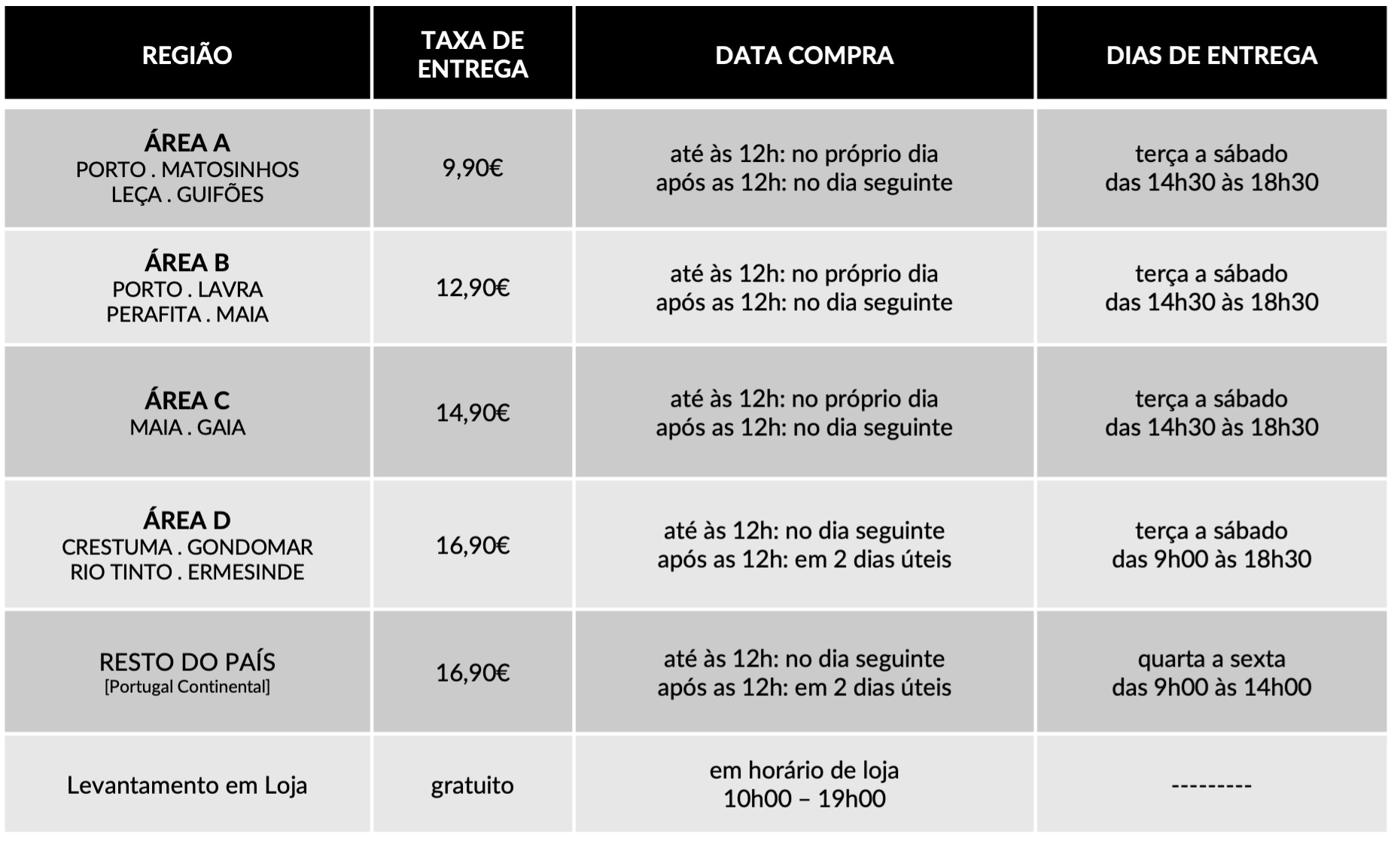
Dedicamos toda a atenção na manutenção e preservação das nossas Flores, garantindo que cheguem ao nosso cliente com toda a frescura, qualidade e beleza. Disponibilizamos várias soluções de manutenção e embalamentos adequando sempre a cada necessidade e contexto da entrega.
Pode incluir na sua oferta uma mensagem personalizada que irá ser reproduzida por nós. No processo da compra online basta preencher o campo ”dedicatória” e escrever a mensagem pretendida.
Valorizamos e priorizamos a qualidade dos serviços e dos nossos produtos. Todas as flores disponibilizadas nos ramos e arranjos disponíveis na loja online são frescas e estão em condições de servir o destinatário.
Caso haja alguma insatisfação por parte do cliente, recomendamos que utilize os nossos canais de comunicação para que possamos analisar a questão.
As fotografias são ilustrativas, quer isto dizer que não garantimos a 100% a sua fieldade com a realidade.
As fotografias devem ser interpretadas como uma base de modelo ou de estética onde as alterações estão sujeitas ao stock da flor e ao trabalho humano de cada florista. Note-se que algumas flores são sazonais e não estão disponíveis todo o ano. Como tal, serão necessárias fazer adaptações consoante a época e o stock da flor.
Para casos onde as alterações sejam extremamente notórias, contactaremos o cliente para ajustar a melhor solução.
Não cancelamos nem alteramos encomendas se esta já se encontrar em fase de curso, ou seja, se já tiver saído da loja e em fase de transporte.
Se a encomenda se encontrar no estado inicial, de processo, é possível alterar e cancelar a encomenda e reaver o seu dinheiro.
Caso não havendo outra referência dada pelo utilizador (por exemplo: deixar no porteiro, na loja x, à pessoa y) o utilizador será contactado de imediato para ficar ao corrente da situação e, à falta de alternativas, a encomenda voltará para a Terrárea, Caso seja reagendada uma nova entrega será cobrada novamente taxa de entrega.
Sublinhamos a importância dos dados fornecidos pelo utilizador estarem correctos e claros. Há sempre a possibilidade do utilizador acrescentar um ponto de referência e outras informações para que não hajam quaisquer dúvidas no acto da entrega garantindo, assim, a qualidade do serviço.
Lamentamos mas não podemos facultar essa informação, se o cliente que realizou a encomenda não pretender.
Estamos abertos a alterações embora estas estejam sempre condicionadas pelo tipo de pedido do utilizador, stock em loja e conceito estético. Nestes casos sugerimos o contacto telefónico ou por email.
Queremos satisfazer todos os nossos clientes e oferecer o nosso melhor serviço. Agradecemos, por isso, todas as opiniões e sugestões para podermos encontrar soluções às suas necessidades! Contacte-nos a partir dos seguintes meios: via email info@terrarea.pt ou telefone 223 170 414

Trading the Future: What Regulated Prediction Markets Like kalshi Mean for Traders
Whoa, this matters a lot.
Prediction markets used to feel like a quirky corner of finance.
They were niche, sometimes messy, often unofficial — a bit like a garage startup for ideas.
Initially I thought they were mostly academic curiosities, but then I watched regulated platforms change the game in ways that were surprising and subtle, and that shifted my view on risk, liquidity, and regulatory clarity.
Okay, so check this out—regulated event contracts let people trade specific outcomes, not companies.
They turn questions into prices: who will win, will inflation exceed X, will an event happen by a date.
My instinct said “this is just betting,” though actually the structure matters a lot, because regulation forces transparency, reporting, and market integrity that casual platforms often lack.
Something felt off about the pre-regulation era — markets were very very exposed to fraud, wash trading, and opaque order books.
I’ll be honest, I’m biased toward markets that have rules.
Rules create predictable friction that sometimes frustrates, but they also let institutions participate without huge compliance headaches.
That opens depth.
Deeper markets matter because they reduce slippage and make prices more informative, which in turn improves hedging for sophisticated players and learning signals for the rest of us.
Here’s what bugs me about the old messaging around prediction markets.
People framed them as prophecy machines or social polls.
They’re neither.
They are incentives and information mechanisms — simple, powerful, and often misunderstood because of their associations with gambling and headline chasing.
On one hand, event contracts provide clear binary outcomes.
On the other, they introduce new measurement challenges — defining an outcome precisely can be surprisingly contentious.
Initially I thought “just pick a deadline and call it good,” but then I realized the operational definitions (data sources, arbitration rules, contingency clauses) are the heart of legal and commercial viability.
So a lot of the value in regulated platforms is in how they craft those definitions and run disputes.
Hmm… seriously? You bet.
Regulation forces market designers to nail the contract language.
That reduces ambiguity, and ambiguity is expensive when lots of money is on the line.
Less ambiguity means lawyers spend less of their nights inventing alternative interpretations (oh, and by the way… that matters for institutional uptake).
From a trading perspective, liquidity and custody are the daily concerns.
I have tracked market microstructure for years and I still get surprised by how quickly liquidity begets more liquidity.
If a platform has clear custody rules, reliable settlement, and regulated oversight, big players will allocate capital — and that attracts retail, which further deepens the book.
It’s a feedback loop, though it’s fragile early on; one bad outage or unclear settlement can undo months of progress.
Check this out—if you’re curious about a regulated venue, the easiest step is to visit the official site and read contract specs carefully.
For example, the platform kalshi publishes their contract definitions and operational rules clearly, and you can start by visiting kalshi to get oriented.
That page (and related docs) give a practical sense of how an event is defined, how disputes are handled, and what the login process looks like for verified users.
Don’t share credentials.
Seriously, treat login and authentication like any regulated trading environment — two-factor and identity verification are standard and necessary.
Long-run, I think regulated markets will nudge public information aggregation toward more reliability.
On one hand they can be gamed (of course they can), though actually the monitoring burden is higher under regulation which shrinks some attack surfaces.
On the other hand, excessive regulation can also stifle innovation, so the policy balance matters — and it’s often messy, which is frustrating to watch.
Policymakers and market designers need to calibrate between consumer protection and market usefulness; too much of either side tilts the incentives in different, sometimes perverse ways.
How traders should think about strategy and risk
Short-term traders hunt mispricings.
Medium-term players consider event correlation and portfolio effects.
Long-term participants focus on structural risk and platform survivability, because platforms are the rails that determine whether your position ultimately settles.
My practical rule — which I use as a mental model rather than a hard law — is: size positions so that a platform hiccup is painful but not ruinous.
Trailing thought: somethin’ like 1-3% of capital per event for retail, though professional sizing will vary widely.
Risk management here is both technical and legal.
You hedge exposure using correlated contracts or offsetting positions, but you also account for settlement risk tied to data feeds and arbitration.
That means knowing the oracle and dispute rules well enough to model tail outcomes.
If you ignore that, you might win the market but lose in settlement — an annoying and avoidable outcome.
Where do opportunities lurk?
Often in the margins: ambiguous contract wording, low-liquidity mispricings, or changes in market composition after regulatory updates.
I’ve seen windows open after clarity arrives on legal questions.
Initially I thought those windows were rare, but in practice they crop up regularly when regulation reshuffles who can participate and how collateral is handled.
On process: think like a market maker and like a risk officer simultaneously.
Make markets to earn spreads when you can, but always size to survive worst-case arbitration scenarios.
Also, keep records — very very detailed records — because audit trails matter more in regulated environments than in shadow venues.
Paper trails calm compliance teams and, frankly, they calm judges too if things escalate.
Quick FAQ
What is an event contract exactly?
It is a tradable claim that pays based on a specific outcome.
Think of it as a bet with strict definitions, settlement rules, and usually a clear binary payoff.
Regulated platforms codify the definitions and the settlement processes, which reduces ambiguity and supports institutional participation.
How do I get started and manage my account securely?
Start by reading contract specs and terms of service on the platform’s official pages.
Use strong passwords, enable two-factor authentication, and expect identity verification steps.
If you plan to trade with meaningful sizes, consider talking to compliance or a financial advisor familiar with event contracts (I know, that’s not sexy, but it’s smart).
What about market manipulation risks?
They exist.
Regulation raises the cost of manipulative strategies through surveillance and penalties, but no market is perfect.
Design your strategy to assume informed actors exist and plan around liquidity shocks and informational surprises.