
FAQ
Dedicamos toda a atenção na manutenção e preservação das nossas Flores, garantindo que cheguem ao nosso cliente com toda a frescura, qualidade e beleza. Disponibilizamos várias soluções de manutenção e embalamentos adequando sempre a cada necessidade e contexto da entrega.
Pode incluir na sua oferta uma mensagem personalizada que irá ser reproduzida por nós. No processo da compra online basta preencher o campo ”dedicatória” e escrever a mensagem pretendida.
Valorizamos e priorizamos a qualidade dos serviços e dos nossos produtos. Todas as flores disponibilizadas nos ramos e arranjos disponíveis na loja online são frescas e estão em condições de servir o destinatário.
Caso haja alguma insatisfação por parte do cliente, recomendamos que utilize os nossos canais de comunicação para que possamos analisar a questão.
As fotografias são ilustrativas, quer isto dizer que não garantimos a 100% a sua fieldade com a realidade.
As fotografias devem ser interpretadas como uma base de modelo ou de estética onde as alterações estão sujeitas ao stock da flor e ao trabalho humano de cada florista. Note-se que algumas flores são sazonais e não estão disponíveis todo o ano. Como tal, serão necessárias fazer adaptações consoante a época e o stock da flor.
Para casos onde as alterações sejam extremamente notórias, contactaremos o cliente para ajustar a melhor solução.
Não cancelamos nem alteramos encomendas se esta já se encontrar em fase de curso, ou seja, se já tiver saído da loja e em fase de transporte.
Se a encomenda se encontrar no estado inicial, de processo, é possível alterar e cancelar a encomenda e reaver o seu dinheiro.
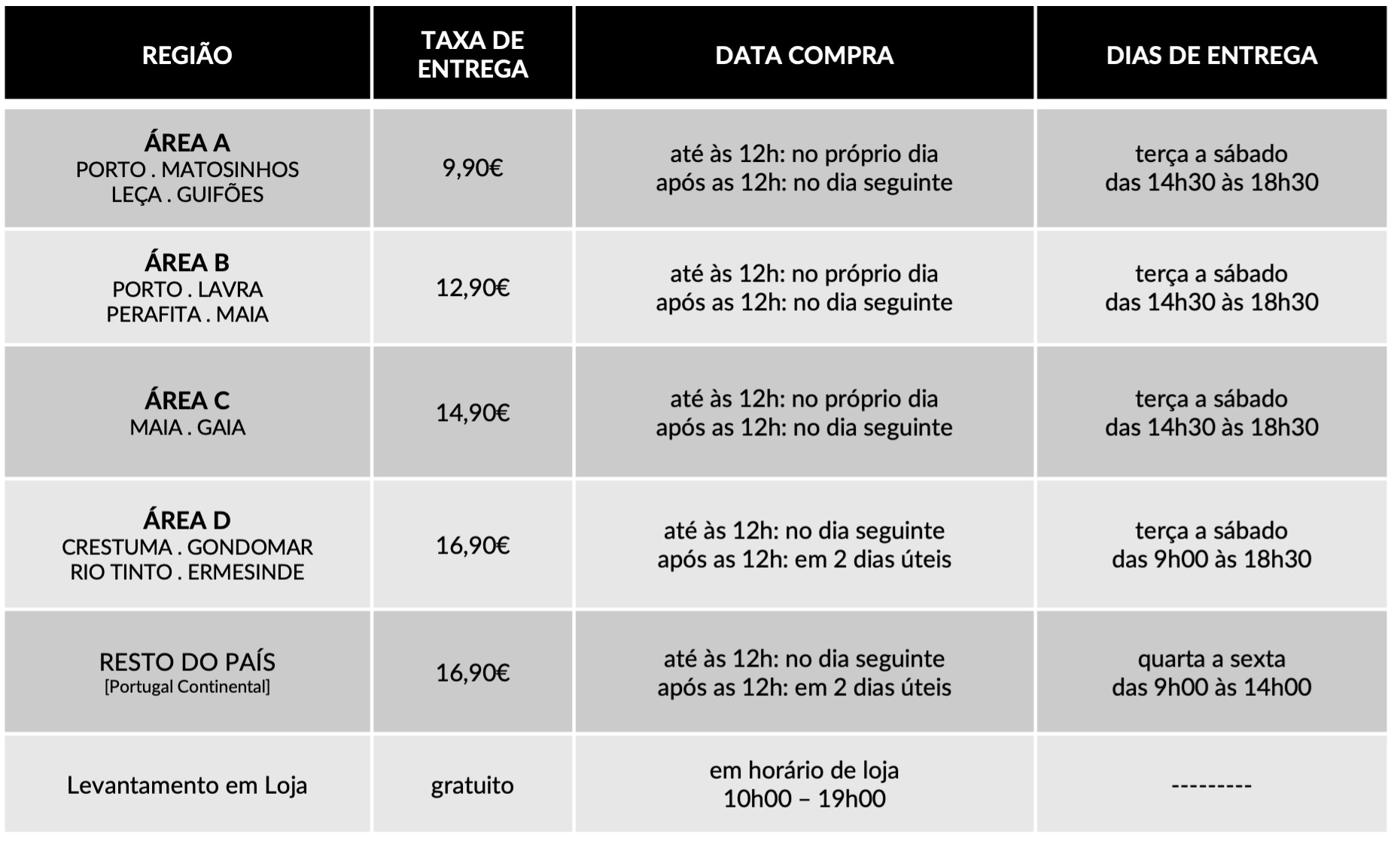
Caso não havendo outra referência dada pelo utilizador (por exemplo: deixar no porteiro, na loja x, à pessoa y) o utilizador será contactado de imediato para ficar ao corrente da situação e, à falta de alternativas, a encomenda voltará para a Terrárea, Caso seja reagendada uma nova entrega será cobrada novamente taxa de entrega.
Sublinhamos a importância dos dados fornecidos pelo utilizador estarem correctos e claros. Há sempre a possibilidade do utilizador acrescentar um ponto de referência e outras informações para que não hajam quaisquer dúvidas no acto da entrega garantindo, assim, a qualidade do serviço.
Lamentamos mas não podemos facultar essa informação, se o cliente que realizou a encomenda não pretender.
Estamos abertos a alterações embora estas estejam sempre condicionadas pelo tipo de pedido do utilizador, stock em loja e conceito estético. Nestes casos sugerimos o contacto telefónico ou por email.
Queremos satisfazer todos os nossos clientes e oferecer o nosso melhor serviço. Agradecemos, por isso, todas as opiniões e sugestões para podermos encontrar soluções às suas necessidades! Contacte-nos a partir dos seguintes meios: via email info@terrarea.pt ou telefone 223 170 414

Why Event Markets for Crypto and Politics Are Suddenly Worth Your Attention
I’ve been poking around prediction markets for years, and lately the noise got loud. Wow! The volume, the volatility, the stories — they all pile up fast. On first glance these markets seem like nets for speculation, though actually there’s more nuance beneath the surface when you start to peel back layers and look at incentives, settlement mechanisms, and information flow.
Okay, so check this out — prediction markets are not new, but their intersection with crypto has changed the rules of engagement. Whoa! TradFi conventions meet blockchain primitives in ways that reward speed and transparency. My instinct said “this will be messy,” but then I watched several markets resolve cleanly and that changed how I thought about on-chain dispute models and oracle design. Initially I thought they’d all be about trading positions like stocks, but then realized predictive markets often price information that markets or polls miss entirely, especially in political contexts where sentiment can swing on a single news drop.
Here’s what bugs me about most primers: they either gloss over resolution mechanics or treat them as magic. Seriously? Resolution is the engine that makes a market honest. If a market’s resolution is ambiguous, traders will punish it with perpetual discounts and low liquidity. So traders should care about the rules: who decides outcomes, what evidence is admissible, and how disputes are handled. These details are not sexy, but they determine whether a platform survives long-term.
How Event Resolution Actually Works (and Why It Matters)
There are three common resolution models: centralized adjudication, community voting, and oracle-based automation. Hmm… each has trade-offs. Centralized adjudication gives clarity but concentrates power. Community voting spreads trust but can be gamed by coordinated actors. Oracle automation is elegant when sources are reliable, though actually designing tamper-resistant oracles is a fiendishly hard systems problem that requires careful incentives and economic security proofs.
Let me be candid — I’m biased toward hybrid systems that combine human judgment and cryptographic attestations. Wow! A hybrid can use a clear evidence standard for human adjudicators while an oracle provides timestamped records. On one hand this increases complexity; on the other, it improves resolution quality in edge cases where raw data is noisy. Initially I thought fully decentralized arbitration was the endgame, but then I saw cases where a simple court-like panel resolved disputes faster and with more community trust.
Traders should ask platform teams the tough questions before staking capital. Who ultimately resolves disputes? What are the time windows for appeals? Are there slashing or reputational penalties for bad actors? These matter because ambiguous exit rules create tail risk — real money can vanish in legalese and slow processes.
Political Markets: Extra Friction, Extra Opportunity
Political prediction markets add regulatory and ethical layers that crypto-only markets often ignore. Wow! There are laws, reporting requirements, and public relations headaches. Some platforms ban certain political markets outright to reduce legal exposure, while others lean into them as a core product. My initial read was “political markets will die under scrutiny,” but then a few regulated operators showed how careful design can keep markets both useful and compliant.
One practical tip: look at dispute histories. Platforms that publish detailed adjudication logs tend to have cleaner markets, even if those logs reveal messy arguments. Transparency is a trader’s friend because it reduces model risk — you can backtest strategies against past resolutions and estimate ex post regret. I’m not 100% sure on every case law outcome, but patterns emerge quickly once you follow the data.
Also — liquidity matters. Political markets often suffer from thin order books outside big events. That creates arbitrage opportunities for nimble traders but also means slippage can eviscerate returns. So measure average trade size versus spread before committing capital. Somethin’ as simple as a few large bets can move prices dramatically if the market depth is low.
Trading Strategies That Fit Event Markets
Short-term event-driven plays work well when you have a reliable information edge. Wow! News catalysts and insider signals (legally obtained, of course) drive rapid re-pricings. Momentum strategies sometimes outperform around volatile resolution windows, but they can snap back sharply when markets correct for fact-checks. On one hand momentum is seductive; on the other, mean-reversion kicks in when overreactions subside.
For longer-horizon traders, portfolio diversification across unrelated events reduces idiosyncratic risk — political and crypto markets are often uncorrelated in surprising ways. Initially I thought clustering trades by theme made sense, but then realized cross-domain hedges often protect from systemic shocks that blow through correlated narratives. Actually, wait — let me rephrase that: hedge with unrelated outcomes when uncertainty is epistemic rather than stochastic.
Risk management is more than position sizing. You must understand how resolution timing can delay cashouts, how disputes can lock funds, and how platform custody terms affect withdrawals. Double check KYC and fiat rails too. These operational frictions cost time and money, and they’re often underpriced by traders who focus only on price models.
Choosing the Right Platform
Look for clear rules, a history of timely resolution, and a community that vets outcomes. Wow! UI polish is great, but provenance of information is better. I pay attention to oracle design and dispute incentives; platforms that prioritize these tend to keep spreads tight and user trust high. A good place to learn about one active platform and its approach is right here.
By the way, fees matter. Some platforms take a flat cut of each trade, while others extract value through wider spreads or tokenomics. Compare total cost-of-trade across the lifecycle of a bet, not just the headline fee. Traders often overlook withdrawal fees or settlement penalties, which can flip profitable strategies into losers very quickly.
Community norms also shape market quality. Platforms where experienced traders call out manipulative patterns tend to self-regulate more effectively. That social layer is surprisingly robust — you get a herd intelligence effect when enough participants care about fairness. There are exceptions, of course, and collusion remains a real concern in low-liquidity markets.
FAQ
How do prediction markets resolve controversial political events?
Resolution usually follows a predefined evidence standard: public records, official statements, or third-party verification. Platforms may use panels of adjudicators, community votes, or oracles that parse trusted sources. Each method has trade-offs in speed, decentralization, and vulnerability to manipulation.
Can traders trust on-chain oracle-based resolutions?
Oracles can be very reliable when they’re anchored to diverse, high-integrity sources and backed by economic incentives that punish tampering. However, oracles are not infallible; design and redundancy matter a lot. Look for platforms that document oracle sources and provide fallback procedures for anomalous data.
Are political markets legal?
Legal exposure varies by jurisdiction and market type. Some operators limit offerings, implement KYC, or work with regulators to reduce risk. I’m not a lawyer, but prudent traders should consult counsel about local rules and platform terms before placing large bets.