
FAQ
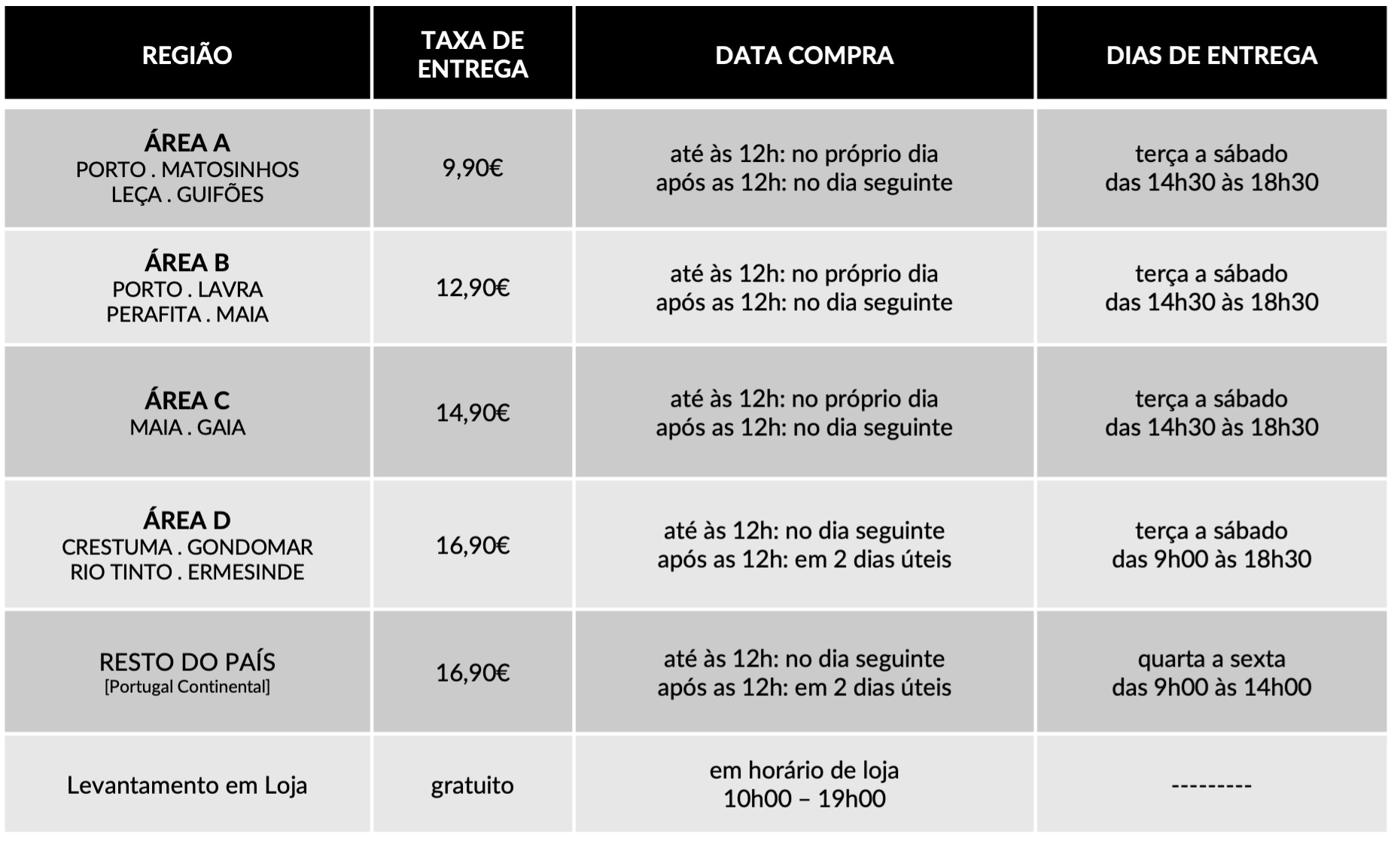
Dedicamos toda a atenção na manutenção e preservação das nossas Flores, garantindo que cheguem ao nosso cliente com toda a frescura, qualidade e beleza. Disponibilizamos várias soluções de manutenção e embalamentos adequando sempre a cada necessidade e contexto da entrega.
Pode incluir na sua oferta uma mensagem personalizada que irá ser reproduzida por nós. No processo da compra online basta preencher o campo ”dedicatória” e escrever a mensagem pretendida.
Valorizamos e priorizamos a qualidade dos serviços e dos nossos produtos. Todas as flores disponibilizadas nos ramos e arranjos disponíveis na loja online são frescas e estão em condições de servir o destinatário.
Caso haja alguma insatisfação por parte do cliente, recomendamos que utilize os nossos canais de comunicação para que possamos analisar a questão.
As fotografias são ilustrativas, quer isto dizer que não garantimos a 100% a sua fieldade com a realidade.
As fotografias devem ser interpretadas como uma base de modelo ou de estética onde as alterações estão sujeitas ao stock da flor e ao trabalho humano de cada florista. Note-se que algumas flores são sazonais e não estão disponíveis todo o ano. Como tal, serão necessárias fazer adaptações consoante a época e o stock da flor.
Para casos onde as alterações sejam extremamente notórias, contactaremos o cliente para ajustar a melhor solução.
Não cancelamos nem alteramos encomendas se esta já se encontrar em fase de curso, ou seja, se já tiver saído da loja e em fase de transporte.
Se a encomenda se encontrar no estado inicial, de processo, é possível alterar e cancelar a encomenda e reaver o seu dinheiro.
Caso não havendo outra referência dada pelo utilizador (por exemplo: deixar no porteiro, na loja x, à pessoa y) o utilizador será contactado de imediato para ficar ao corrente da situação e, à falta de alternativas, a encomenda voltará para a Terrárea, Caso seja reagendada uma nova entrega será cobrada novamente taxa de entrega.
Sublinhamos a importância dos dados fornecidos pelo utilizador estarem correctos e claros. Há sempre a possibilidade do utilizador acrescentar um ponto de referência e outras informações para que não hajam quaisquer dúvidas no acto da entrega garantindo, assim, a qualidade do serviço.
Lamentamos mas não podemos facultar essa informação, se o cliente que realizou a encomenda não pretender.
Estamos abertos a alterações embora estas estejam sempre condicionadas pelo tipo de pedido do utilizador, stock em loja e conceito estético. Nestes casos sugerimos o contacto telefónico ou por email.
Queremos satisfazer todos os nossos clientes e oferecer o nosso melhor serviço. Agradecemos, por isso, todas as opiniões e sugestões para podermos encontrar soluções às suas necessidades! Contacte-nos a partir dos seguintes meios: via email info@terrarea.pt ou telefone 223 170 414

Why Hardware Wallets Matter for Cosmos: IBC, Staking, and Slashing Protection
Whoa! This is one of those topics that sounds dry but actually matters a lot. I was messing with IBC transfers last week and something felt off about how casually people hand their keys around. Short version: your keys are the vault, and a hardware wallet is the padlock—simple, but underused.
Okay, so check this out—hardware wallet integration with Cosmos apps changes the threat model in a good way. It isolates signing from your daily device, which means even if your browser or phone is compromised, your private keys stay offline. That’s not a hype line; that’s practical risk reduction. But—there’s nuance.
First impressions: hardware wallets feel clunky to set up. Seriously? Yeah. You plug in, approve screens, and you wait. But once it’s set, the day-to-day is smoother and safer. Initially I thought the UX tradeoff was too steep, but then I realized that the cost of a single mis-signed or phished transaction—especially across chains via IBC—is far higher than a few extra seconds on each confirm. Actually, wait—let me rephrase that: the extra friction pays for itself when you avoid catastrophic loss. My instinct said “worth it”, and the numbers back that up for active stakers and IBC users.
Hardware wallets + Cosmos: the practical interplay
Here’s the thing. Cosmos is built for interoperability via IBC. That means tokens move between chains, and apps request signatures for things that used to be local-only. That changes risk contours. One signature can trigger cross-chain escrow actions, token swaps, or staking changes on multiple networks. So, you want that signature to be intentional. You want it coming from a device that can’t be trivially tricked.
Hardware wallets offer sub-second cost per transaction in terms of cognitive effort—because you already created the habit of reviewing every screen. But habit is fragile. On one hand, consistent prompt confirmations reduce errors; on the other hand, users can habituate and approve without checking. So guardrails matter: display meaningful data, ensure chain IDs show clearly on the device, and use wallets that support explicit chain verification.
In practice, that means pairing a hardware device with a trustworthy wallet extension that understands Cosmos’ multi-chain nature. For many folks in the ecosystem the combination of a hardware key with a browser/extension like keplr wallet gives the right balance: convenience without handing over the private key. I’m biased, but it’s become my go-to for IBC moves and staking workflows.
Cross-chain interoperability: more power, more responsibility
IBC is elegant. It turns separate ledgers into a neighborhood where value flows. Cool, right? Hmm… but with that elegance comes complexity. Transactions can involve relayers, timeouts, and escrow logic. If your signing device doesn’t present clear context, you might sign a message that looks normal but triggers an unexpected transfer on the destination chain.
So what to watch for: check the memo and the receiving chain; verify port/channel identifiers if you want to be extra careful; and watch for contracts or modules that ask for broad permissions. Broad allowances are very very dangerous. If a smart contract asks for limitless approval, pause. Seriously pause. Hardware wallets don’t make you immune—just more deliberate. They’re a last line, not a silver bullet.
Also, performance: sometimes multisig or smart-contract flows require multiple confirmations across chains. That adds latency and complexity, and if you have slashing risk (more on that), you need a plan for timely responses. On one hand you can automate relayers and watchers; on the other hand automation introduces new attack surfaces. It’s a tradeoff—choose wisely.
Slashing protection: why it’s not just for validators
Slashing usually sounds like a validator problem. But delegators can be caught in the splash. If a node double-signs or is offline during critical windows, delegators lose stake through slashing or missed rewards. That’s where operational practices meet wallet choices.
Delegating via a hardware wallet doesn’t directly prevent slashing, because slashing is tied to the validator’s behavior, not your private key. However, hardware wallets improve delegation safety in two ways. First, they reduce the chance you accidentally re-delegate or sign away delegations to risky contracts. Second, they make it easier to hold multiple, segregated accounts: one for cold storage, one for staking, one for active trading—so you limit exposure.
There’s also a growing set of slashing-protection services and modules. Some teams use epoch-based unbonding windows and monitor validators with bot alerts. Initially I thought running your own validator was the only robust solution, though actually—running a small node or using reputable non-custodial providers with strong uptime and robust private key practices can be a pragmatic option for most users.
BTW, if you care about slashing, keep your staking keys off hot wallets. Don’t stake from accounts you also use for daily swaps. Splitting roles is simple and effective.
Practical tips — real, not hand-wavy
Start with a hardware device from a reputable vendor. Keep your seed offline and air-gapped. Write the recovery phrase down twice, and store copies separately. Hmm… this sounds basic but people skip it all the time.
Use a dedicated wallet app that supports Cosmos chains and IBC contexts. Again—I’m partial to the keplr wallet pairing because it surfaces chain info clearly and integrates hardware signing patterns neatly. But don’t trust the UX blindly; always confirm transaction fields on the device screen. If the device screen shows a chain ID or origin you don’t recognize, stop.
For staking, choose validators with good uptime, strong communities, and transparent slashing histories. Diversify. Don’t pile everything on one big-name validator just because of glamor; spread risk. If you run your own validator, invest in redundancy and monitoring—alerts for downtime are cheap compared to slashes.
Finally, practice recovery drills. Restore a wallet from seed into a test environment every few months. It takes less time than losing funds. And document your process so someone you trust can act if you can’t.
FAQ
Can a hardware wallet prevent slashing?
No. Hardware wallets protect keys and prevent unauthorized signing. Slashing is caused by validator behavior (double-signing or downtime). But hardware wallets reduce operational errors like accidental re-delegations and increase your overall security posture.
Is using a hardware wallet with IBC transfers overkill?
Not at all. IBC increases the potential blast radius of a bad signature. A hardware device forces explicit confirmation of each action, which is valuable when tokens jump across chains. For serious users it’s worth the extra seconds per tx.
Which patterns reduce slashing risk for delegators?
Pick reliable validators, diversify stakes, monitor validator health, and avoid staking from accounts used for daily trading. Consider delegating small amounts across multiple validators rather than one large stake.