
FAQ
Dedicamos toda a atenção na manutenção e preservação das nossas Flores, garantindo que cheguem ao nosso cliente com toda a frescura, qualidade e beleza. Disponibilizamos várias soluções de manutenção e embalamentos adequando sempre a cada necessidade e contexto da entrega.
Pode incluir na sua oferta uma mensagem personalizada que irá ser reproduzida por nós. No processo da compra online basta preencher o campo ”dedicatória” e escrever a mensagem pretendida.
Valorizamos e priorizamos a qualidade dos serviços e dos nossos produtos. Todas as flores disponibilizadas nos ramos e arranjos disponíveis na loja online são frescas e estão em condições de servir o destinatário.
Caso haja alguma insatisfação por parte do cliente, recomendamos que utilize os nossos canais de comunicação para que possamos analisar a questão.
As fotografias são ilustrativas, quer isto dizer que não garantimos a 100% a sua fieldade com a realidade.
As fotografias devem ser interpretadas como uma base de modelo ou de estética onde as alterações estão sujeitas ao stock da flor e ao trabalho humano de cada florista. Note-se que algumas flores são sazonais e não estão disponíveis todo o ano. Como tal, serão necessárias fazer adaptações consoante a época e o stock da flor.
Para casos onde as alterações sejam extremamente notórias, contactaremos o cliente para ajustar a melhor solução.
Não cancelamos nem alteramos encomendas se esta já se encontrar em fase de curso, ou seja, se já tiver saído da loja e em fase de transporte.
Se a encomenda se encontrar no estado inicial, de processo, é possível alterar e cancelar a encomenda e reaver o seu dinheiro.
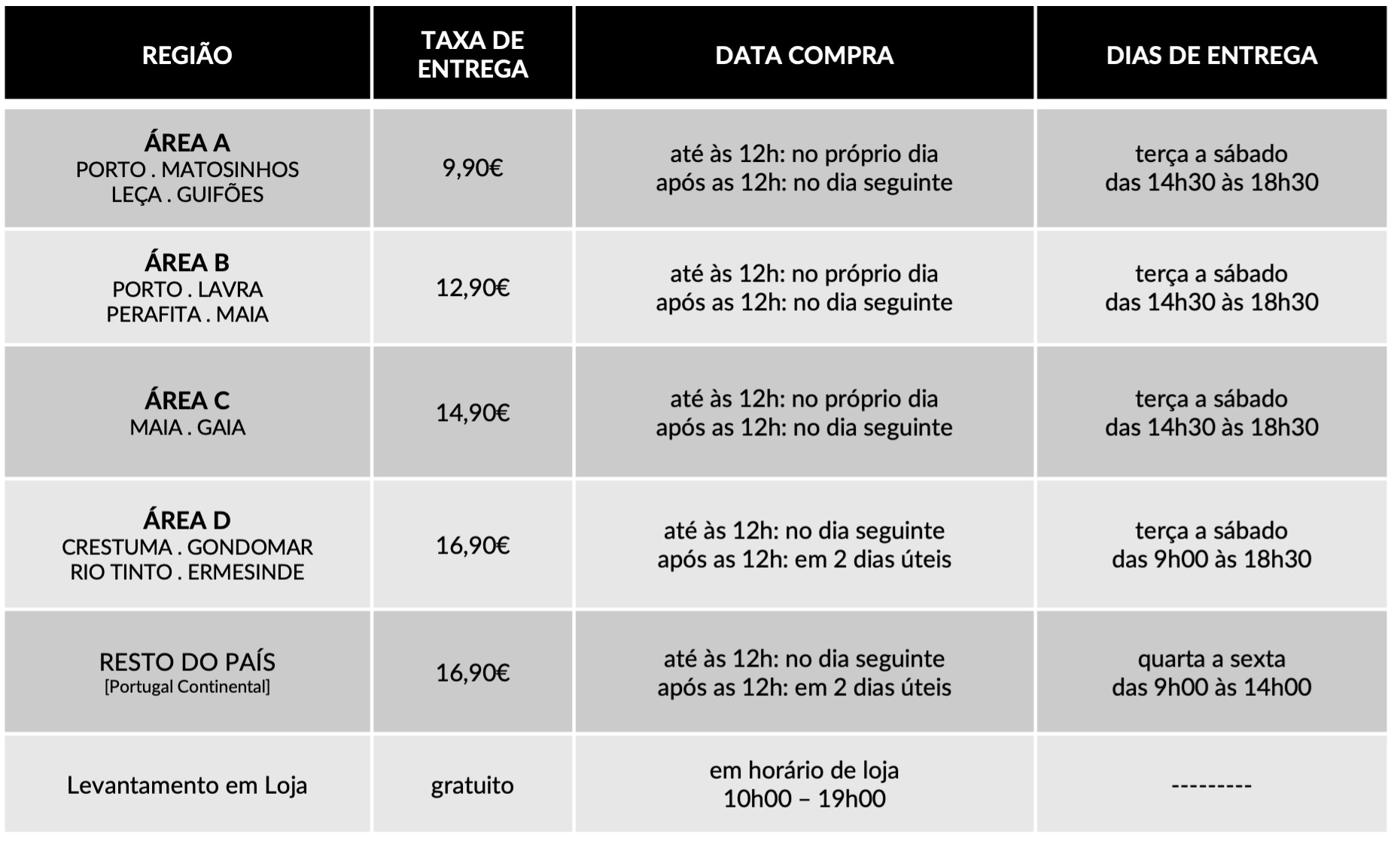
Caso não havendo outra referência dada pelo utilizador (por exemplo: deixar no porteiro, na loja x, à pessoa y) o utilizador será contactado de imediato para ficar ao corrente da situação e, à falta de alternativas, a encomenda voltará para a Terrárea, Caso seja reagendada uma nova entrega será cobrada novamente taxa de entrega.
Sublinhamos a importância dos dados fornecidos pelo utilizador estarem correctos e claros. Há sempre a possibilidade do utilizador acrescentar um ponto de referência e outras informações para que não hajam quaisquer dúvidas no acto da entrega garantindo, assim, a qualidade do serviço.
Lamentamos mas não podemos facultar essa informação, se o cliente que realizou a encomenda não pretender.
Estamos abertos a alterações embora estas estejam sempre condicionadas pelo tipo de pedido do utilizador, stock em loja e conceito estético. Nestes casos sugerimos o contacto telefónico ou por email.
Queremos satisfazer todos os nossos clientes e oferecer o nosso melhor serviço. Agradecemos, por isso, todas as opiniões e sugestões para podermos encontrar soluções às suas necessidades! Contacte-nos a partir dos seguintes meios: via email info@terrarea.pt ou telefone 223 170 414

Why I Keep Coming Back to Solscan: A Solana Explorer That Just Makes Sense
Whoa! The first time I opened a Solana block explorer I expected a mess. My gut said it would be slow, cluttered, and built for developers only. But seriously? Solscan surprised me. It felt crisp, fast, and oddly friendly for something so technical, which caught me off guard.
At a glance the UI is clean. It loads quickly on my laptop and my phone. The search bar is forgiving, which matters when you’re juggling long wallet addresses at 2 AM. Initially I thought explorers were interchangeable, but then I realized how much small conveniences add up—balancing metrics, token lists, and transaction details in one place reduces friction. I’m biased, but this part really bugs me with other services that bury info behind ten clicks.
Here’s the thing. Transaction tracing on Solana can be a headache. Programs call programs, and logs get deep very fast. Solscan makes following a transaction easier because it highlights program interactions and decodes many instruction sets right in the UI, saving you from combing through raw data. On one hand it’s approachable for casual users; on the other, it’s powerful enough for power users who need to audit activity. Honestly, that balance is rare.
Whoa! There are a few standout features. You get token holders, mint information, and verified projects in the same view. The token analytics are surprisingly useful if you want to check distribution quickly—no spreadsheet required. I used it last month to vet a token before a small trade and the holder concentration made me pause, which probably saved me from a bad decision.
My instinct said speed equals usefulness, and Solscan delivers. Large blocks and busy epochs don’t freeze the interface. The explorer’s ability to paginate and filter results is practical for day-to-day troubleshooting and more forensics-like dives. That said, not every decode is perfect—sometimes instruction names are fuzzy—but it’s far better than plaintext hex dumps.
How I Use Solscan in Real Workflows
Okay, so check this out—when I’m tracking a transaction I start in the transaction tab and then jump to the program logs. Really? Yep. The decoded instruction pane often points straight to the offending program or wallet, and the visual token transfers save time when multiple mints are involved. A short cut: copy the signature and paste into the search field to get a full audit trail. If you want to try it, see solscan for the official entry point.
I’m not perfect at every step. Sometimes I miss a program’s nuance and have to re-check the source code repo, which isn’t always straightforward. Initially I thought the explorer would replace dev tooling, but actually, wait—let me rephrase that—it’s a complement, not a substitute. On one hand you can surface suspicious flows quickly; on the other hand deeper protocol-layer debugging still needs RPC traces and local tooling. Still, Solscan bridges casual observation and technical detail better than many alternatives.
Seriously? The verified badge on projects matters a lot. It reduces cognitive load when you’re skimming search results. Project verification is not a guarantee, though. I’m not 100% sure how they vet every submission, and sometimes a legit project slips. So, treat verification as helpful context, not gospel.
One thing that bugs me is documentation inconsistency across explorers. Solscan tries to fix that by including helpful annotations and links to program IDs, but the landscape is fragmented. (oh, and by the way…) community wikis sometimes have deeper usage notes than any explorer, which tells you something about where to look when you need nuance. Still, for quick checks and triage, Solscan is my goto. Very very important to have a reliable single-pane view when things go sideways.
Hmm… performance metrics and validator pages are surprisingly navigable. You can view stake distributions, epoch stats, and vote accounts without hunting through raw JSON. That’s great for node operators and delegators who want a human-readable status. On the other hand, if you’re into advanced staking analytics, you might still want a dedicated dashboard. But for many users the built-in summaries are more than enough.
I’m biased toward tools that save me time. Solscan saves time. The token transfer visualizations and labeled program interactions cut down on false leads. Initially I thought I’d use it once in a while; now it’s a daily utility. There are occasional glitches—UI hiccups under extreme load—but those are infrequent and usually transient.
Whoa! Security and transparency matter. Solscan surfaces contract source verification and shows when a program matches an on-chain upgrade authority. That leads to quicker trust assessments. I once traced a rug via the explorer and found the upgrade authority moved tokens before a liquidity drain, which was obvious only when the upgrade history and transaction timeline were visible together. On one hand it’s chilling to see; on the other, the visibility is crucial for accountability.
FAQ
Is Solscan free to use?
Yes. You can access most features without paying. There are limits for heavy API use, and commercial needs might push you towards their API offerings or other paid services, but casual lookups and standard investigations are free and straightforward.
Can I rely on Solscan for audits?
It helps a lot, but don’t rely solely on any single explorer. Use Solscan for quick triage and visibility, then cross-check with RPC nodes, program repos, and on-chain data exports if you’re doing formal audits. I’m not 100% sure about every decode, so corroborate when stakes are high.
How does Solscan compare to other explorers?
Solscan tends to be faster and more user-friendly than many alternatives, with better decoding and token analytics in one view. That said, each explorer has strengths—some specialize in governance or deep staking metrics—so pick the tool that matches your task. Personally, Solscan is my everyday go-to.