
FAQ
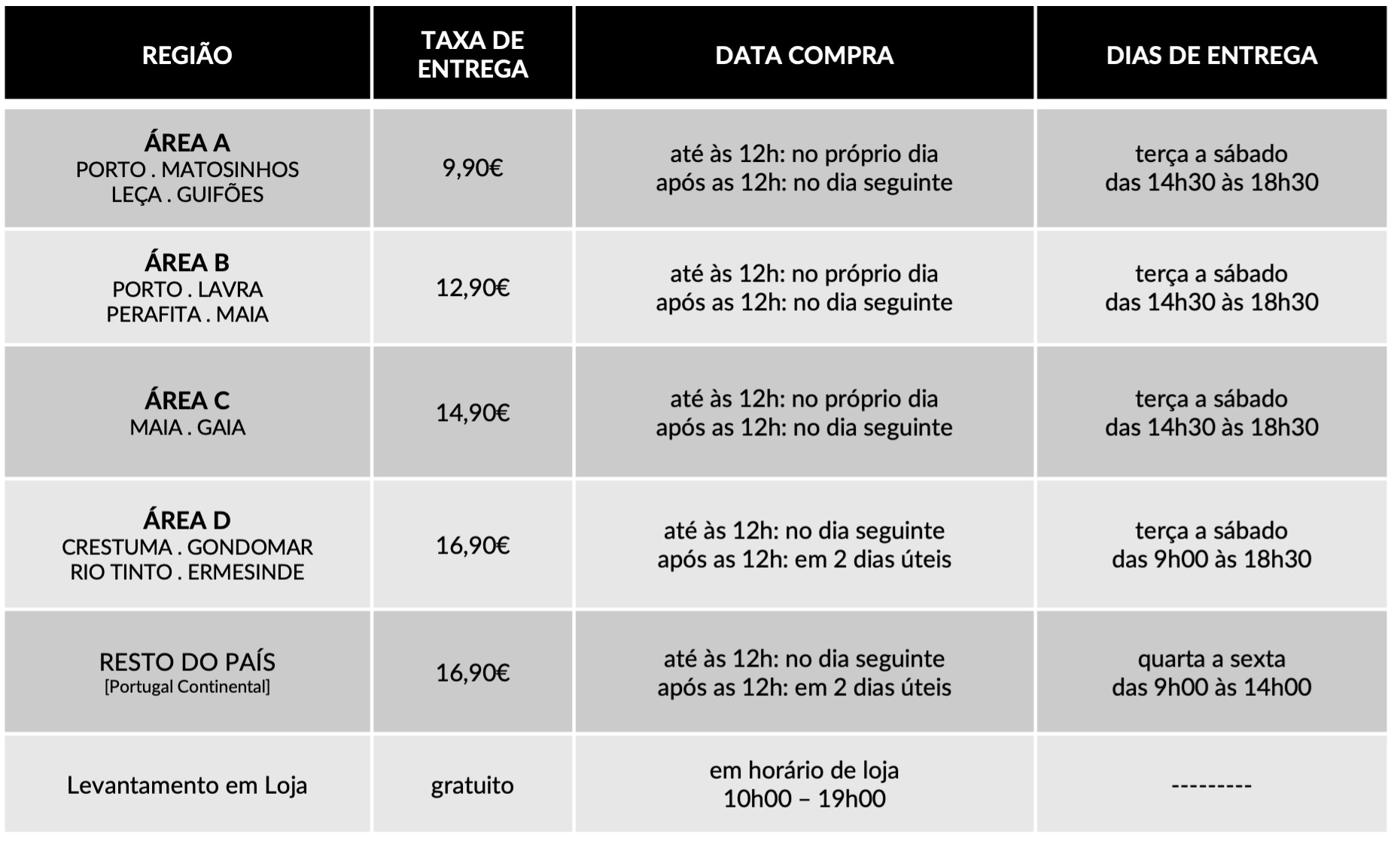
Dedicamos toda a atenção na manutenção e preservação das nossas Flores, garantindo que cheguem ao nosso cliente com toda a frescura, qualidade e beleza. Disponibilizamos várias soluções de manutenção e embalamentos adequando sempre a cada necessidade e contexto da entrega.
Pode incluir na sua oferta uma mensagem personalizada que irá ser reproduzida por nós. No processo da compra online basta preencher o campo ”dedicatória” e escrever a mensagem pretendida.
Valorizamos e priorizamos a qualidade dos serviços e dos nossos produtos. Todas as flores disponibilizadas nos ramos e arranjos disponíveis na loja online são frescas e estão em condições de servir o destinatário.
Caso haja alguma insatisfação por parte do cliente, recomendamos que utilize os nossos canais de comunicação para que possamos analisar a questão.
As fotografias são ilustrativas, quer isto dizer que não garantimos a 100% a sua fieldade com a realidade.
As fotografias devem ser interpretadas como uma base de modelo ou de estética onde as alterações estão sujeitas ao stock da flor e ao trabalho humano de cada florista. Note-se que algumas flores são sazonais e não estão disponíveis todo o ano. Como tal, serão necessárias fazer adaptações consoante a época e o stock da flor.
Para casos onde as alterações sejam extremamente notórias, contactaremos o cliente para ajustar a melhor solução.
Não cancelamos nem alteramos encomendas se esta já se encontrar em fase de curso, ou seja, se já tiver saído da loja e em fase de transporte.
Se a encomenda se encontrar no estado inicial, de processo, é possível alterar e cancelar a encomenda e reaver o seu dinheiro.
Caso não havendo outra referência dada pelo utilizador (por exemplo: deixar no porteiro, na loja x, à pessoa y) o utilizador será contactado de imediato para ficar ao corrente da situação e, à falta de alternativas, a encomenda voltará para a Terrárea, Caso seja reagendada uma nova entrega será cobrada novamente taxa de entrega.
Sublinhamos a importância dos dados fornecidos pelo utilizador estarem correctos e claros. Há sempre a possibilidade do utilizador acrescentar um ponto de referência e outras informações para que não hajam quaisquer dúvidas no acto da entrega garantindo, assim, a qualidade do serviço.
Lamentamos mas não podemos facultar essa informação, se o cliente que realizou a encomenda não pretender.
Estamos abertos a alterações embora estas estejam sempre condicionadas pelo tipo de pedido do utilizador, stock em loja e conceito estético. Nestes casos sugerimos o contacto telefónico ou por email.
Queremos satisfazer todos os nossos clientes e oferecer o nosso melhor serviço. Agradecemos, por isso, todas as opiniões e sugestões para podermos encontrar soluções às suas necessidades! Contacte-nos a partir dos seguintes meios: via email info@terrarea.pt ou telefone 223 170 414

Why a Hardware Wallet Still Matters — and How to Pick One Without Getting Scammed
Okay, so check this out — I lost a tiny stash of BTC once because I clicked a phishing link. Whoa! That feeling is awful. My instinct shouted, “No way,” but I clicked anyway. Seriously? Yep. I’m biased, but that day taught me more about security than any forum thread ever did. Initially I thought hardware wallets were overkill, but then I realized they’re the difference between “uh-oh” and “I’ll sleep fine tonight.”
Hardware wallets are physical devices that store your private keys offline. Short sentence. They keep the secret material off networked computers where malware and remote attackers can reach it. On the surface it’s simple. Though actually, wait—let me rephrase that: the concept is simple but the details snag people (especially newcomers) because the threat model for crypto is different than banking or traditional finance. My gut said that most people underestimate social engineering. And, somethin’ else bugs me — people often treat setup like a checklist item instead of a security ritual.
Here’s what to look for when you pick a hardware wallet. First, seed generation must be done on-device. If the device ever shows a seed on a connected computer, that’s a red flag. Short sentence. Second, open-source firmware is valuable. Not strictly mandatory, though actually open code lets security researchers audit and find flaws faster. On one hand closed-source products can still be secure, though on the other hand transparency builds trust — and in crypto, trust matters a lot.
What they protect you from — and what they don’t
Hardware wallets shield private keys from malware, keyloggers, and remote attackers. Simple. They stop a compromised laptop from signing a transaction without your physical confirmation. But they don’t magically make you invincible. If you write your recovery phrase on a postcard and mail it, the device can’t help you. Hmm… that example is obvious, but people do weird things under pressure.
Think about threats in layers. Device compromise. Supply-chain attacks. Human error. Social engineering (this one always wins the prize). Initially I thought hardware wallets were mostly for tech-savvy users, but then I watched a cashier at a small store move $10k worth of crypto because she was convinced by a fake “support” call. That stuck with me. On the bright side, a properly used hardware wallet makes that kind of scam much harder, because the attacker still needs the device and the PIN — and often the recovery phrase.
When you buy, buy from a reputable source. Really. Buying used or from unknown sellers can mean tampering. If the package is opened, don’t use it. Also: register your device reputation—check firmware authenticity and set a PIN. You can check the manufacturer’s site for firmware checksums and install via official tools. (Oh, and by the way… remain skeptical of “urgent” messages asking you to export seeds.)
Step-by-step setup tips that actually work
Unpack in private. Short. Power it up offline. Follow the on-device prompts for seed generation. Write the seed down on a metal plate if you can — fire and water resistance are not glamorous, but very important. I once used a scrap of paper and regretted it (lesson learned). Use a unique PIN. Do not store your PIN on the same paper as the seed; that’s very very important. If you must make a backup, split it into multiple pieces and store in geographically separated locations.
Enable additional features like a passphrase only if you understand the tradeoffs. A passphrase gives a hidden wallet (plausible deniability) but if you forget the passphrase, the funds are gone. My working rule: if you won’t memorize it reliably, don’t use it. Initially I thought passphrases were a no-brainer. Then I watched someone lock themselves out for good and felt awful. There’s a balance between paranoia and practicality.
Firmware updates: do them, but verify. Updates patch security bugs. Long sentence: updates can also be vectors for supply-chain attacks if you don’t verify signatures, therefore always check official instructions (and don’t follow random YouTube tutorial links that come from an ad).
Common scams and how to avoid them
Phishing is the top villain. Really? Yes. Phishing emails that mimic wallet providers, fake support numbers, cloned websites — they all exist. If you get an unexpected message telling you to reveal a seed or “confirm” a transaction, hang up or close the site. Call a verified number from the company’s official site — not the one in the email.
Another nasty trick: fake wallet apps and chrome extensions that talk to your hardware device and request approvals. Don’t grant permissions blindly. Check the exact transaction details shown on your device screen. Short sentence. The device’s onscreen display is the ultimate truth — if it shows an address or amount that doesn’t match what you expected, stop.
Supply-chain attacks are rarer but real. Buy new, from the manufacturer or an authorized reseller. If a deal looks too good, it probably is. And hey, if the packaging seems tampered with or the device asks you to enter a seed during setup that looks prefilled, toss it. Trust your gut — seriously. My instinct said “no” once and I avoided a mess.
Which wallet should you choose?
I won’t name-call brands here. But evaluate these features: on-device seed generation, secure element/chip, community audits, firmware update signing, and recovery options. Consider the coin support you need. If you hold multiple asset types, check whether the wallet supports them natively or via integrations. For some altcoins, desktop companion apps simplify things — though every added integration is an extra security boundary you should vet.
If you want a recommendation: try hands-on before buying, read independent security audits, and weigh open-source firmware as a strong plus. Also read community posts (but filter noise — forums can be echo chambers). Check official setup guides and verify firmware signing. For an extra bit of practical help, you can find a trustworthy setup walkthrough over here that walks through common steps (verify the link’s source independently, and treat any linked “support” number skeptically).
FAQ
Is a hardware wallet necessary if I use custodial services?
No. Custodial services (exchanges, custodial apps) hold private keys for you, which is convenient. But custody means you don’t control the keys — and in crypto, “not your keys, not your coins.” If you value self-sovereignty and want to reduce counterparty risk, a hardware wallet is the right move. That said, for small amounts it might be overkill; balance convenience and risk.
What if I lose my hardware wallet?
If you lose the device but have your recovery phrase stored safely, you can restore your wallet on a new device. Short. If you lost both the device and the seed, you’re usually out of luck. This is why backups and geographic separation matter. Consider a metal backup (fireproof) and regular checks that the backup is readable.
Are hardware wallets immune to all hacks?
No. They greatly reduce many attack vectors but are not infallible. Physical theft, sophisticated supply-chain attacks, or user error (like entering a seed into a fake site) can still result in loss. Use multi-layer security: PINs, passphrases (if you understand them), secure storage, and vigilance. Also consider multi-sig setups for larger balances—this spreads risk across devices or people.
Okay — quick closing thought that isn’t a tidy summary. Protecting crypto is more about habits than hardware alone. One honest mistake can ruin months of careful defense. So build rituals: verify firmware, verify links, test backups once (simulated), and keep calm when scammers call. I’m not 100% sure every tip here suits every wallet, but these principles hold across devices. Keep your stuff offline, be skeptical, and yes — double-check that email before you click. Somethin’ tells me you’ll thank yourself later…