
FAQ
Dedicamos toda a atenção na manutenção e preservação das nossas Flores, garantindo que cheguem ao nosso cliente com toda a frescura, qualidade e beleza. Disponibilizamos várias soluções de manutenção e embalamentos adequando sempre a cada necessidade e contexto da entrega.
Pode incluir na sua oferta uma mensagem personalizada que irá ser reproduzida por nós. No processo da compra online basta preencher o campo ”dedicatória” e escrever a mensagem pretendida.
Valorizamos e priorizamos a qualidade dos serviços e dos nossos produtos. Todas as flores disponibilizadas nos ramos e arranjos disponíveis na loja online são frescas e estão em condições de servir o destinatário.
Caso haja alguma insatisfação por parte do cliente, recomendamos que utilize os nossos canais de comunicação para que possamos analisar a questão.
As fotografias são ilustrativas, quer isto dizer que não garantimos a 100% a sua fieldade com a realidade.
As fotografias devem ser interpretadas como uma base de modelo ou de estética onde as alterações estão sujeitas ao stock da flor e ao trabalho humano de cada florista. Note-se que algumas flores são sazonais e não estão disponíveis todo o ano. Como tal, serão necessárias fazer adaptações consoante a época e o stock da flor.
Para casos onde as alterações sejam extremamente notórias, contactaremos o cliente para ajustar a melhor solução.
Não cancelamos nem alteramos encomendas se esta já se encontrar em fase de curso, ou seja, se já tiver saído da loja e em fase de transporte.
Se a encomenda se encontrar no estado inicial, de processo, é possível alterar e cancelar a encomenda e reaver o seu dinheiro.
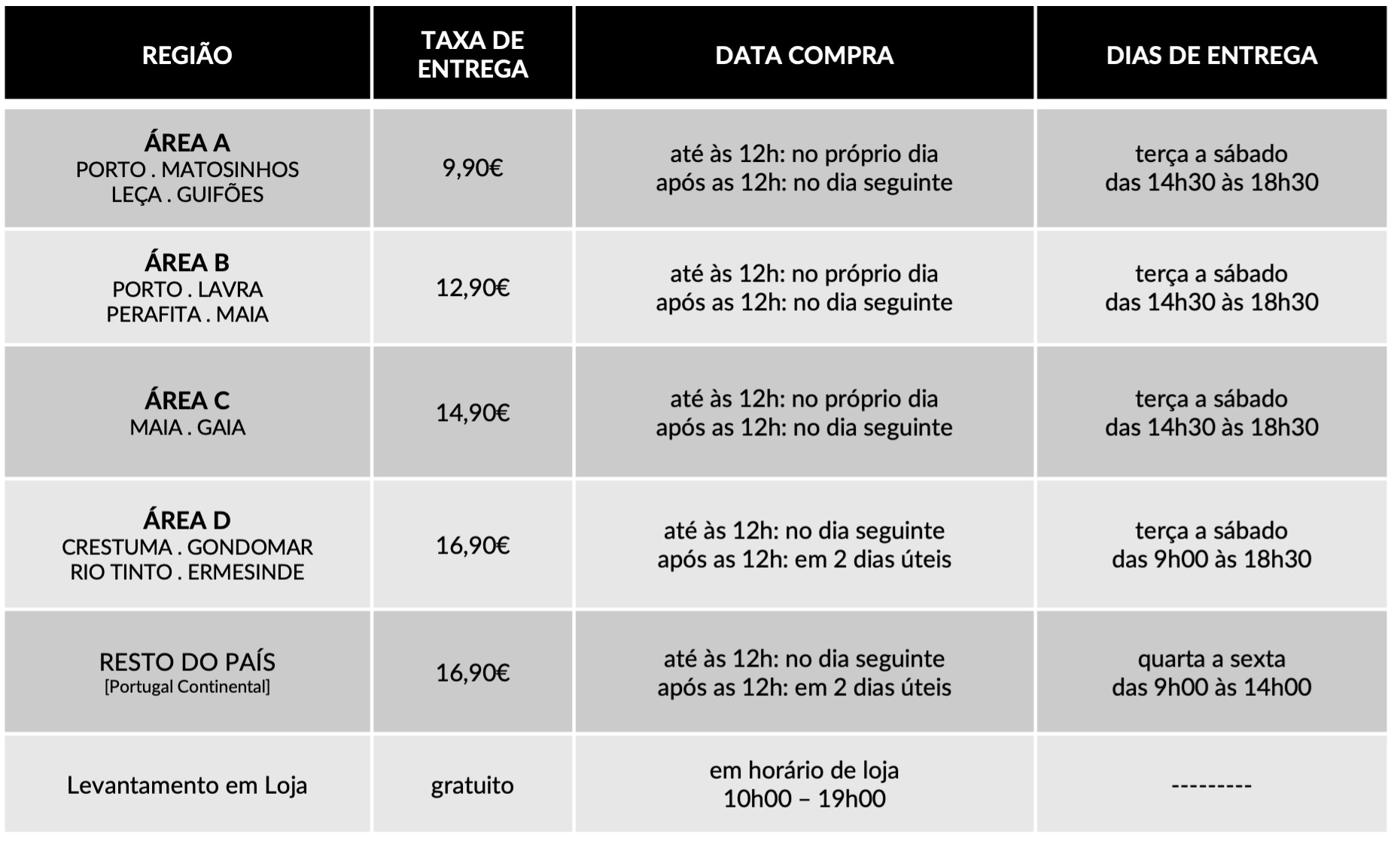
Caso não havendo outra referência dada pelo utilizador (por exemplo: deixar no porteiro, na loja x, à pessoa y) o utilizador será contactado de imediato para ficar ao corrente da situação e, à falta de alternativas, a encomenda voltará para a Terrárea, Caso seja reagendada uma nova entrega será cobrada novamente taxa de entrega.
Sublinhamos a importância dos dados fornecidos pelo utilizador estarem correctos e claros. Há sempre a possibilidade do utilizador acrescentar um ponto de referência e outras informações para que não hajam quaisquer dúvidas no acto da entrega garantindo, assim, a qualidade do serviço.
Lamentamos mas não podemos facultar essa informação, se o cliente que realizou a encomenda não pretender.
Estamos abertos a alterações embora estas estejam sempre condicionadas pelo tipo de pedido do utilizador, stock em loja e conceito estético. Nestes casos sugerimos o contacto telefónico ou por email.
Queremos satisfazer todos os nossos clientes e oferecer o nosso melhor serviço. Agradecemos, por isso, todas as opiniões e sugestões para podermos encontrar soluções às suas necessidades! Contacte-nos a partir dos seguintes meios: via email info@terrarea.pt ou telefone 223 170 414

Inside Solscan: How I Track SPL Tokens and Why It Matters
Whoa!
So I was poking through a messy token account on Solana the other day. My instinct said somethin’ was off with the metadata, and honestly my gut pegged it as a low-effort token drop. Initially I thought it would be quick to dismiss, but then a tiny transfer—like a dust transfer—opened up a chain of wrapped assets that required a deeper look. Really?
Okay, so check this out—Solana moves fast. Transactions ripple in milliseconds. On one hand that speed is a blessing for user experience, though actually it hides complexity for anyone trying to trace token provenance. I’m biased, but token tracking on Solana needs tools that speak both to power users and newcomers.
Whoa!
Solscan gives you that speaking voice. The explorer surfaces transaction graphs, token mint details, and historical holders. At first I used it mainly to confirm transfers; then I started using it as a forensic tool to understand token lifecycles. Something felt off about many token mints—duplicate names, weird decimals, mismatched authorities—which is why you need more than a glance.
Really?
Here’s the thing. SPL tokens look simple on the surface: a mint, decimals, supply, accounts. But once you start tracking token trackers, you notice recurring patterns—wrapped SOL, intermediary program-derived addresses (PDAs), and multi-hop swaps through AMMs—that make attribution tricky. Initially I thought a single failed transfer was enough to explain a missing balance, but digging deeper showed multiple program-mediated moves that obfuscated the trail.
Whoa!
When I talk about token tracking I mean three practical tasks: identifying the mint and its authority, tracing token movement across accounts, and verifying metadata integrity. Each task needs a slightly different view. Solscan gives tabs for each: the mint page, the token holders list, and the transaction history—simple, but powerful when stitched together. I’m not 100% sure every edge-case is handled, but the core workflow is solid.
Really?
Let me be frank—metadata is the part that bugs me. Token names and symbols are free-form, and projects often reuse popular names to piggyback on search. The token tracker feature helps by exposing the mint address and linking to the holders, which is the real source of truth. On more than one occasion I saw a token listed with a popular name, but the mint was a brand-new contract with no governance. That red flag alone saved me from buying into a replica token.
Whoa!
Check this out—there’s a practical workflow I use that might help you: start at the mint page, confirm decimals and supply, then jump to the holders list and sort by balance to spot concentration. Next, open the largest holders and inspect transactions for program interactions. Finally, cross-check any metadata URI to see if the off-chain assets match what you expect. It sounds basic, but it’s very very effective if you do it consistently.
Where solscan explore fits in my toolbox
I rely on explorers as a daily habit; sometimes I chase down a suspicious transfer, other times I’m validating a token for integration into a wallet. solscan explore is the link I drop into chats when colleagues ask where to start. Initially I thought a CLI could replace the visual explorer, but actually the visual cues—the owner labels, the program IDs, the token history timeline—give context that a log dump never will. On one hand command-line precision is unbeatable, though on the other hand the explorer surfaces patterns faster for humans.
Whoa!
For developers building tooling the token tracker role splits into two needs: read-only auditing and programmatic integration. If you just want to confirm a mint’s parameters, the explorer UI is ideal. If you need to integrate token data into an app, programmatic RPC calls or indexer services are necessary. I’m not going to lie—I use both depending on the urgency and depth of the investigation.
Really?
There are common pitfalls to watch for. First, watch the authority fields; a token with an uninitialized or mutable authority can be a disaster waiting to happen. Second, watch decimals—misconfigured decimals can make balances meaningless at a glance. Third, be mindful of wrapped constructs: wrapped SOL and other wrapped assets introduce intermediary accounts that complicate tracing. My instinct said these would be edge-cases, but actually they’re routine.
Whoa!
Also—small practical tip—use the holders list to detect sybil clusters. If a token’s top holders are all sub-0.001 SOL accounts with no history, that’s usually a sign of airdrop farming or manipulation. It’s not infallible, and context matters, but it saves time. (oh, and by the way…) keep notes when you audit tokens; the same mints pop up again and again across projects.
Really?
Now, for wallet teams and DApp devs: embed token checks into your UX. Before showing a token balance, validate the mint and check for suspicious authority configs. Users don’t care about technicalities until they lose funds, and after that they care a lot. I’m biased toward proactive disclosures—flag a token if it’s new, if the metadata URI is empty, or if the top holder concentration is extreme. That transparency builds trust.
Whoa!
Where am I uncertain? Two things. One: off-chain metadata retrieval is brittle—IPFS pins, broken URLs, differing metadata standards. Two: program interactions can be obfuscated by PDAs that are hard to decode without annotated indexers. I keep running into both. Initially I thought standardization would make this easier, but fragmentation persists.
Really?
On balance, explorers like Solscan are indispensable for both end users and developers. They let you see the guts of a token, and when combined with good heuristics they prevent avoidable mistakes. If you’re tracking SPL tokens, make the explorer a habit. My process isn’t perfect, but it catches the things that matter most: mint authenticity, holder distribution, and anomalous program behavior. Somethin’ about seeing the trail calms me down—call it a forensics comfort zone.
FAQ
How do I verify a token’s legitimacy quickly?
Start at the mint page, confirm total supply and decimals, then view the top holders. If a single address controls an outsized portion, or the authority field is mutable and untrusted, treat the token cautiously. Also verify the metadata URI if present; mismatch between on-chain data and off-chain assets is a strong red flag.
Can explorers detect rug pulls or scams?
They can provide strong signals but not absolute proof. Look for sudden concentration shifts, migration of tokens to unknown program accounts, and unusual program calls. Combine explorer evidence with social research on the project—on one hand chain data is concrete, though on the other hand social context completes the picture.