
FAQ
Dedicamos toda a atenção na manutenção e preservação das nossas Flores, garantindo que cheguem ao nosso cliente com toda a frescura, qualidade e beleza. Disponibilizamos várias soluções de manutenção e embalamentos adequando sempre a cada necessidade e contexto da entrega.
Pode incluir na sua oferta uma mensagem personalizada que irá ser reproduzida por nós. No processo da compra online basta preencher o campo ”dedicatória” e escrever a mensagem pretendida.
Valorizamos e priorizamos a qualidade dos serviços e dos nossos produtos. Todas as flores disponibilizadas nos ramos e arranjos disponíveis na loja online são frescas e estão em condições de servir o destinatário.
Caso haja alguma insatisfação por parte do cliente, recomendamos que utilize os nossos canais de comunicação para que possamos analisar a questão.
As fotografias são ilustrativas, quer isto dizer que não garantimos a 100% a sua fieldade com a realidade.
As fotografias devem ser interpretadas como uma base de modelo ou de estética onde as alterações estão sujeitas ao stock da flor e ao trabalho humano de cada florista. Note-se que algumas flores são sazonais e não estão disponíveis todo o ano. Como tal, serão necessárias fazer adaptações consoante a época e o stock da flor.
Para casos onde as alterações sejam extremamente notórias, contactaremos o cliente para ajustar a melhor solução.
Não cancelamos nem alteramos encomendas se esta já se encontrar em fase de curso, ou seja, se já tiver saído da loja e em fase de transporte.
Se a encomenda se encontrar no estado inicial, de processo, é possível alterar e cancelar a encomenda e reaver o seu dinheiro.
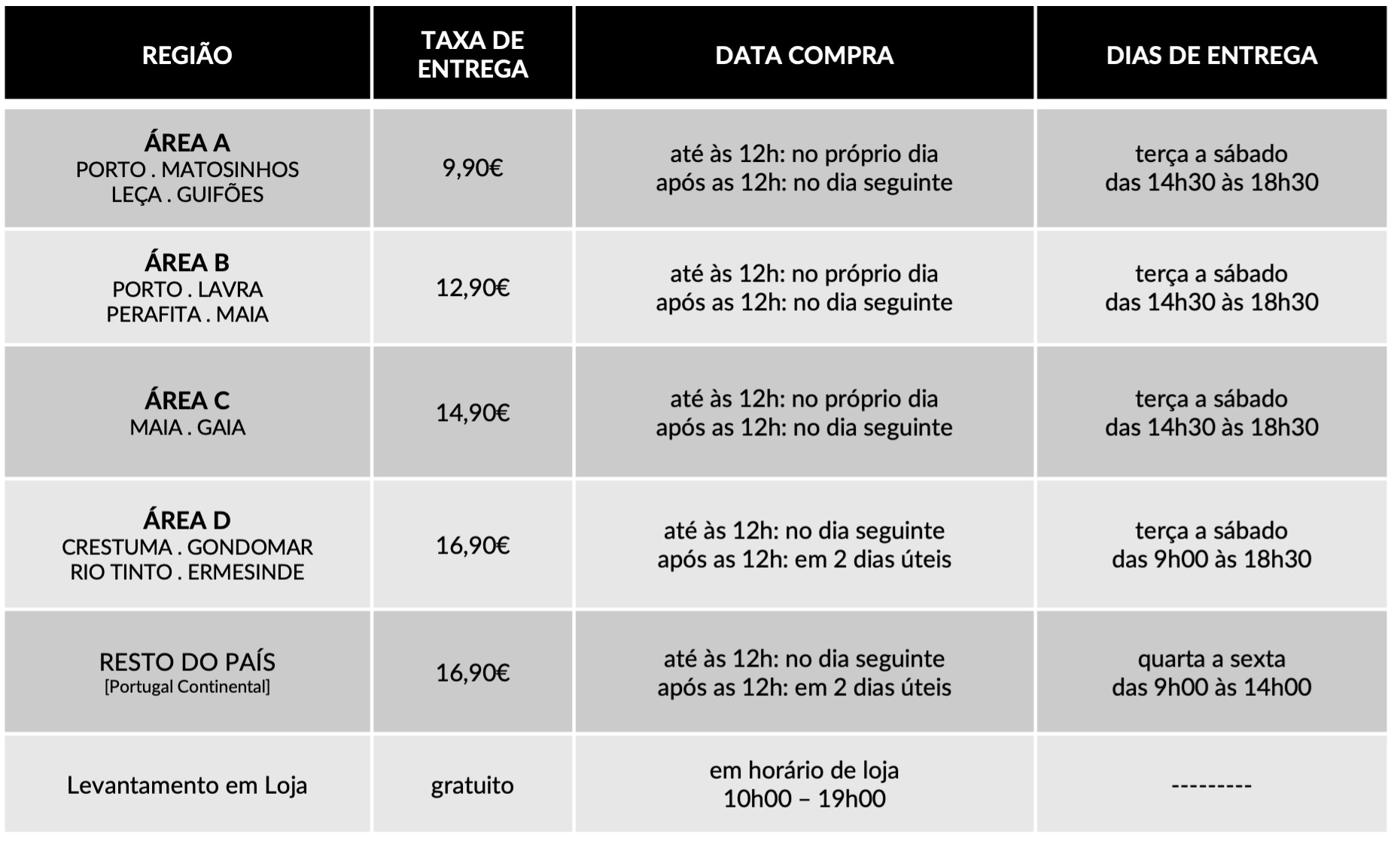
Caso não havendo outra referência dada pelo utilizador (por exemplo: deixar no porteiro, na loja x, à pessoa y) o utilizador será contactado de imediato para ficar ao corrente da situação e, à falta de alternativas, a encomenda voltará para a Terrárea, Caso seja reagendada uma nova entrega será cobrada novamente taxa de entrega.
Sublinhamos a importância dos dados fornecidos pelo utilizador estarem correctos e claros. Há sempre a possibilidade do utilizador acrescentar um ponto de referência e outras informações para que não hajam quaisquer dúvidas no acto da entrega garantindo, assim, a qualidade do serviço.
Lamentamos mas não podemos facultar essa informação, se o cliente que realizou a encomenda não pretender.
Estamos abertos a alterações embora estas estejam sempre condicionadas pelo tipo de pedido do utilizador, stock em loja e conceito estético. Nestes casos sugerimos o contacto telefónico ou por email.
Queremos satisfazer todos os nossos clientes e oferecer o nosso melhor serviço. Agradecemos, por isso, todas as opiniões e sugestões para podermos encontrar soluções às suas necessidades! Contacte-nos a partir dos seguintes meios: via email info@terrarea.pt ou telefone 223 170 414

Why SPL Tokens, Staking Rewards, and Transaction Signing on Solana Actually Matter (and How to Do Them Right)
Whoa! This stuff matters. I mean, really. Solana moved fast, and so did the tooling around it — often before users felt ready. Initially I thought Solana was just the fast chain for traders, but then I got deep into SPL token mechanics and staking rewards and realized there was a whole design philosophy underneath that also carries security trade-offs.
Seriously? Yeah. Here’s the thing. SPL tokens are tiny program-derived accounts that act like ERC-20s but with Solana’s account model. My instinct said they’d be simple, and they are — until you mix in staking mechanics, multisig, and transaction signing quirks that come from parallelized processing. On one hand that parallelism gives crazy throughput, though actually it introduces timing and nonce-like edge cases you have to respect if you want predictable rewards and reliable tx finality.
Hmm… I remember the first time I watched a stake deactivate mid-epoch. It was annoying. The UX in some wallets hid the epochs and rent-exempt balances (oh, and by the way that rent thing still trips people up). In practice you must account for epoch boundaries, stake activation delays, and validator vote credits if you’re hunting yield. Initially I thought “just stake” — but you need to plan for liquidity windows and slashing risk, small though that risk may be.
Here’s a short gut check: are you holding SPL tokens in a custodial place you don’t control? Bad idea. Manage keys. Period. I’ll be honest — I’m biased toward non-custodial wallets because I like having a say in my keys and transactions. You can use browser wallets, mobile apps, or hardware integrations, and each has tradeoffs between convenience and security. If you ever sign transactions from public Wi‑Fi without a hardware key, expect surprises sooner or later…
Okay, so what actually are SPL tokens at a technical level? They’re programs + token accounts following a shared standard. Token metadata, mint authority, supply — these are all explicit on-chain. Developers can create tokenized assets quickly, which is great for NFTs, gaming tokens, and DeFi pools. But the speed also means more tokens and more scams, so vetting matters big time.
Short anecdote: once I found an airdrop token that claimed “governance” but had a mint authority still active. Yikes. I stopped right there. That mint could inflate supply in a heartbeat. Watch mint authority and freeze authority fields. Also check whether tokens live in PDA accounts that reserve program-controlled behavior, because that changes how you move and stake them. Somethin’ as small as a misread authority flag can cost you trust — and funds.
Transaction signing is where things get human. Wow. You sign, then you wait. The process looks simple, but under the hood wallets create a message from recent blockhashes, instructions, and account metas, and then a signature bundle is attached. If you reuse stale blockhashes or don’t include required accounts, the transaction will fail or be dropped. The wallet UX can mask those errors as “network issues” — which bugs me — so look at logs when something behaves oddly.
On the practical side, use scoped approvals where possible. Don’t blindly approve every contract’s request to transfer arbitrary SPL tokens. Approve specific instructions and set spending limits if the wallet supports it. Phantom wallet makes this easier by showing the exact instruction set before you sign, which reduces nasty surprises. In my experience, scrutinizing the instruction list cuts scam success by a large margin.
How staking rewards interplay with SPL tokens and tx signing
Staking rewards on Solana come from validators’ commission and inflation distribution. It’s simple on paper. Delegate to validators and you earn rewards pro rata to your stake. But you need to understand activation and deactivation delays, and how epoch timing affects when rewards actually land in your stake account. If you move tokens or change stake too fast, you might miss reward windows — very very important to time your actions.
My approach has two parts. First, pick validators with steady performance and reasonable commission. Second, use stake accounts or stake pools depending on your liquidity needs. I prefer small multiple stake accounts for flexibility (so if one validator misbehaves I can migrate part of my stake). Initially I used a single big stake, but then thought through the risk distribution and split it up — that reduced my heart rate during network hiccups.
On the signing front, staking transactions often require multiple steps: create a stake account, delegate, and sometimes merge. Each step is a separate transaction. Wallets that batch or preflight these steps reduce friction. That said, never bypass review. Seriously? Yup — batch operations sometimes hide intermediate approvals and you can accidentally authorize something you didn’t mean to. My instinct said “treat every batch like separate ops” and that saved me from a bad merge once.
Also consider stake pools if you want liquidity and simplified rewards. Pools aggregate and re-stake on your behalf, and they can be more efficient for tiny stakers. The tradeoff is more trust and sometimes fees. On one hand pools streamline yield compounding; on the other hand you’re delegating control. I’m not 100% sold on centralized pooling without strong transparency, though some pools have been reliable.
Security hygiene: hardware keys, multisig for large balances, and watch-only accounts for monitoring. A hardware signer makes mitms much harder, because the private key never leaves the device. Multisig distributes risk across devices or parties. Combine these with a reputable wallet UI to inspect instructions before signing. I use all three depending on the account — and yeah, it’s a pain sometimes, though I’d rather be mildly annoyed than hacked.
Okay, quick practical checklist for users:
1. Inspect token authorities. Don’t hold tokens with active mint authority unless you trust the issuer. 2. Use wallets that show instruction detail. 3. Prefer hardware keys for large stake accounts. 4. Manage epoch timing when claiming rewards or moving stake. 5. Split stake to diversify validator risk. These are small habits that compound over time, much like the rewards themselves.
Curious about wallet choices? I use a few, but one I recommend for daily use because of its UX is phantom wallet. It balances clarity with functionality, and its transaction previews are genuinely helpful. I’m biased, sure — but the preview helped me catch a mis-specified instruction that saved me from a nasty token allowance issue.
On technical debugging: enable RPC logs, check recent blockhashes, and inspect transaction status on explorers. If a tx gets “blockhash not found” it’s usually because your wallet generated it too early. Retry with a fresh blockhash. If you get compute budget exceeded, break the operation into smaller transactions or request priority fees. These are the kinds of knots you only see once you sign enough transactions to learn the patterns.
FAQ
How do I verify an SPL token is safe?
Check mint authority, supply, verified metadata, and whether the token is listed by trusted services. Also look for social proof from devs and open-source contracts. If the mint authority is still set and the team can inflate supply, treat it skeptically — and maybe avoid staking or bonding it.
How often are staking rewards paid?
Rewards are distributed by epoch. Epoch lengths can change with ledger adjustments but expect predictable windows. Factor in activation delays and validator performance when projecting yield.
What should I look for when a wallet asks me to sign?
Look at the instruction list and account metas. Confirm the source, the destination, and any approve/spend allowances. If anything looks generic or asks for broad authority — pause and investigate. Better safe than sorry.